We are a not-for-profit organisation. Your donation supports the conservation of this World Heritage site
Help protect this UNESCO site
UNESCO World Heritage · Woolmers Estate

National Rose Garden

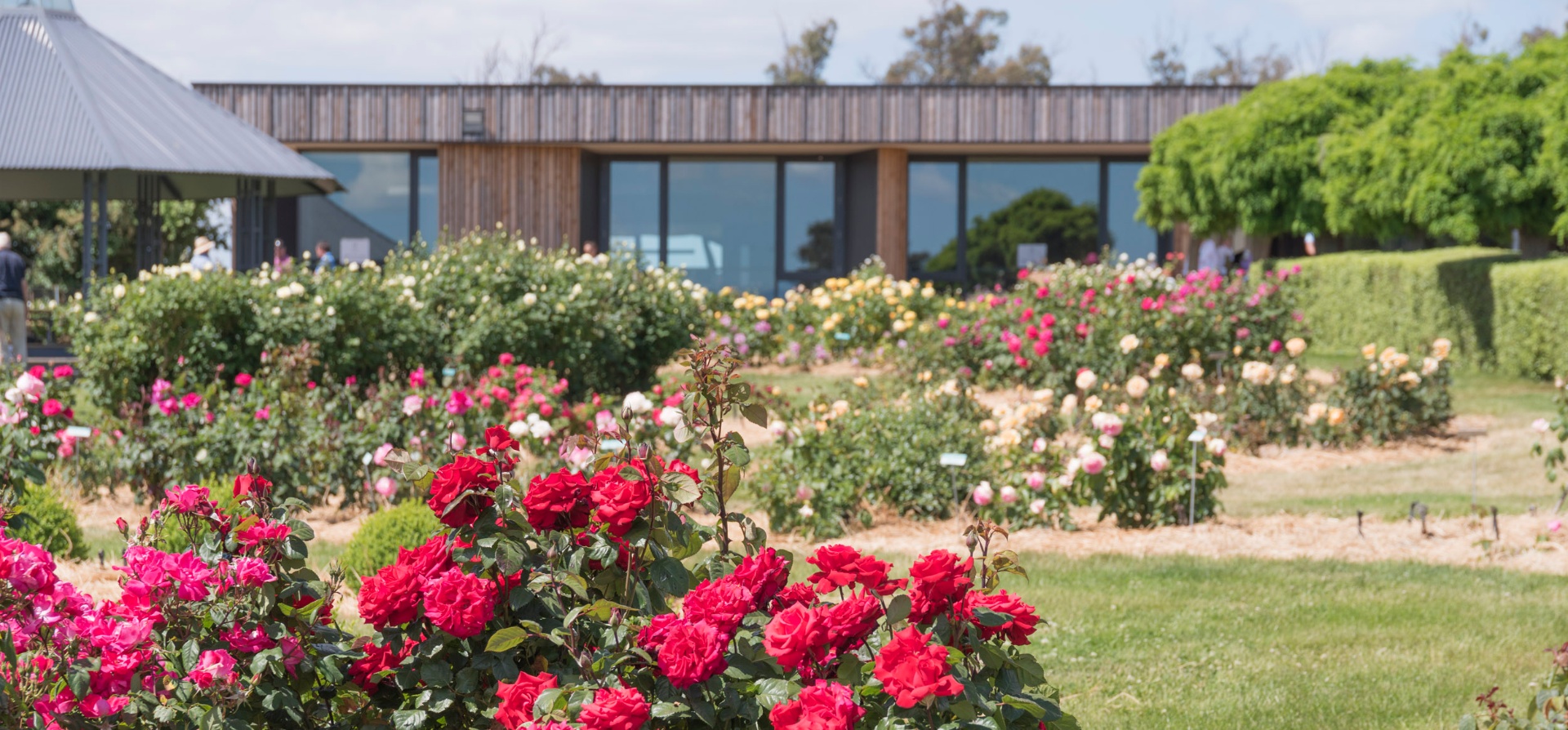
Over 5,000 roses across 460 varieties, set within the grounds of one of Australia’s finest heritage estates. Longford, Tasmania.

One of Australia's Finest

Heritage In Bloom

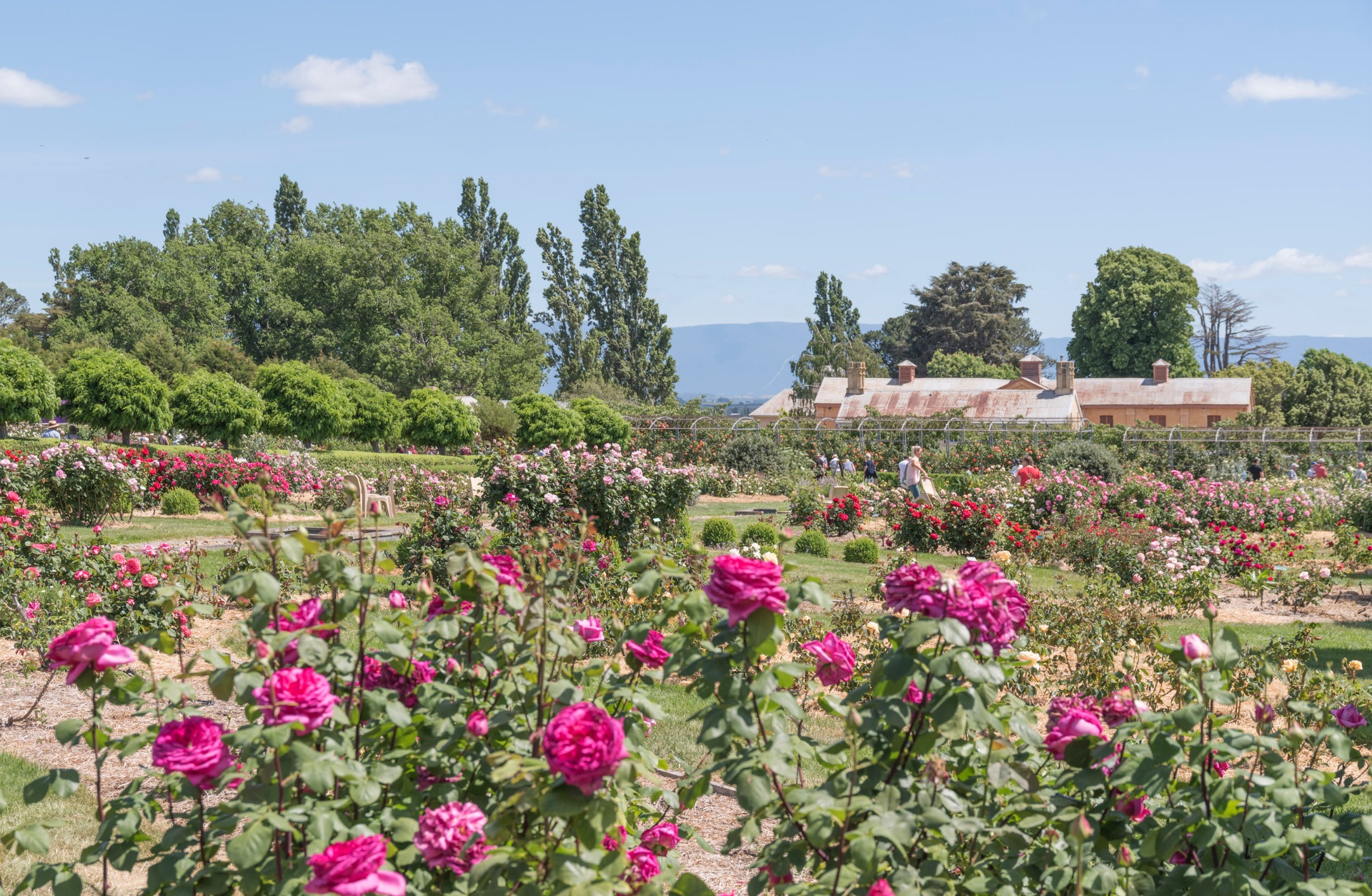
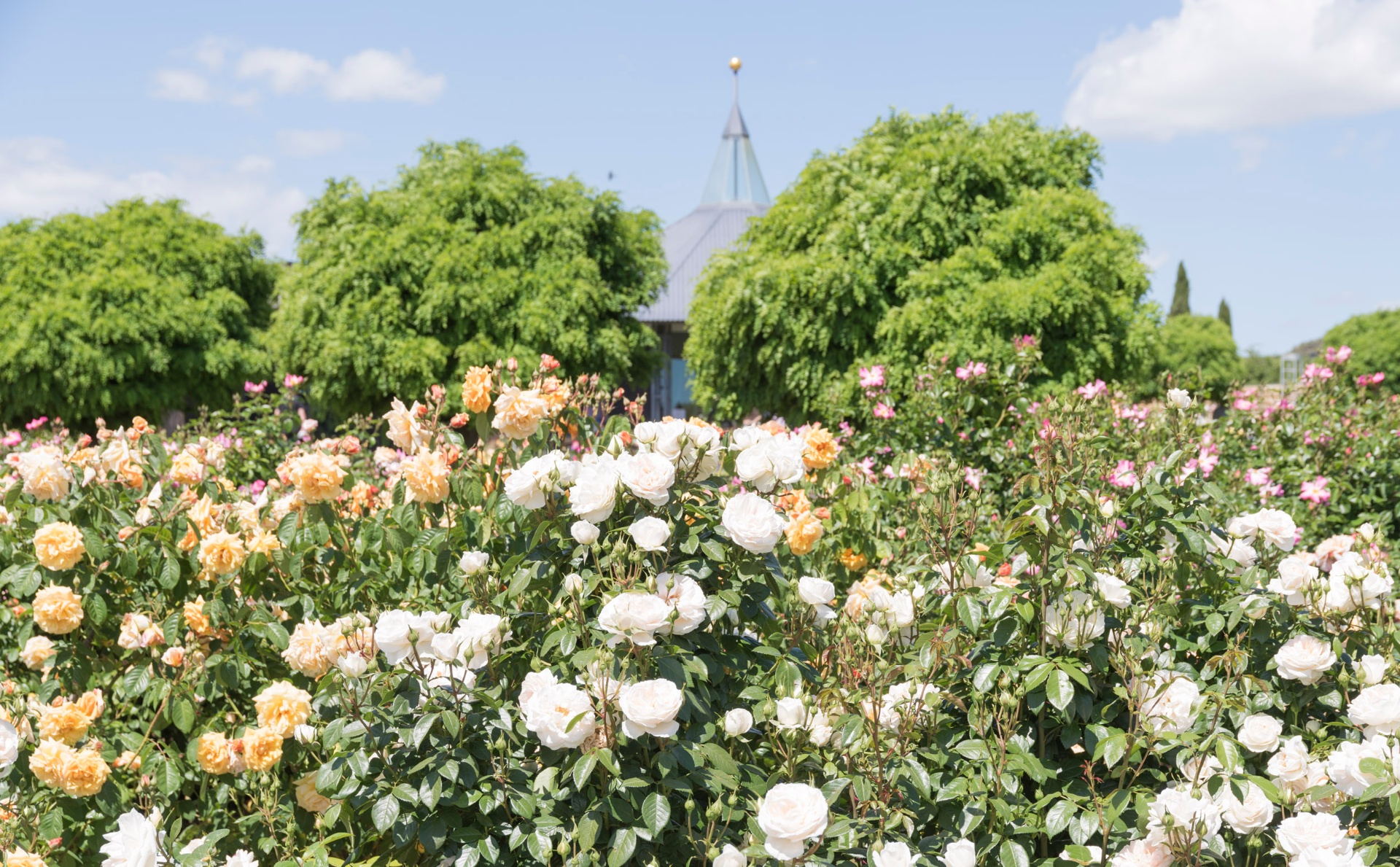
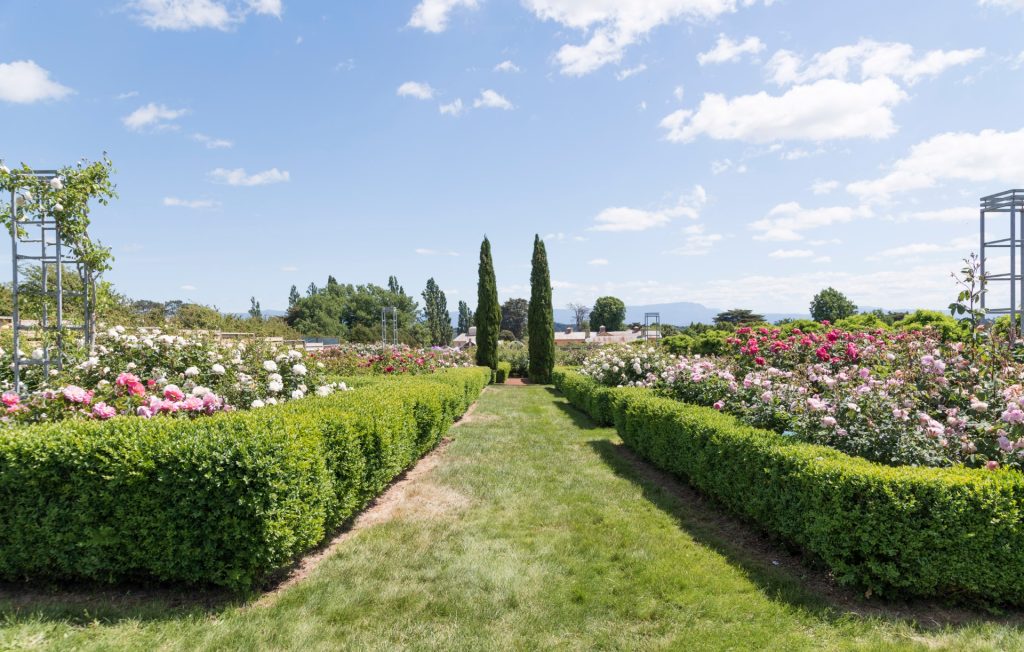
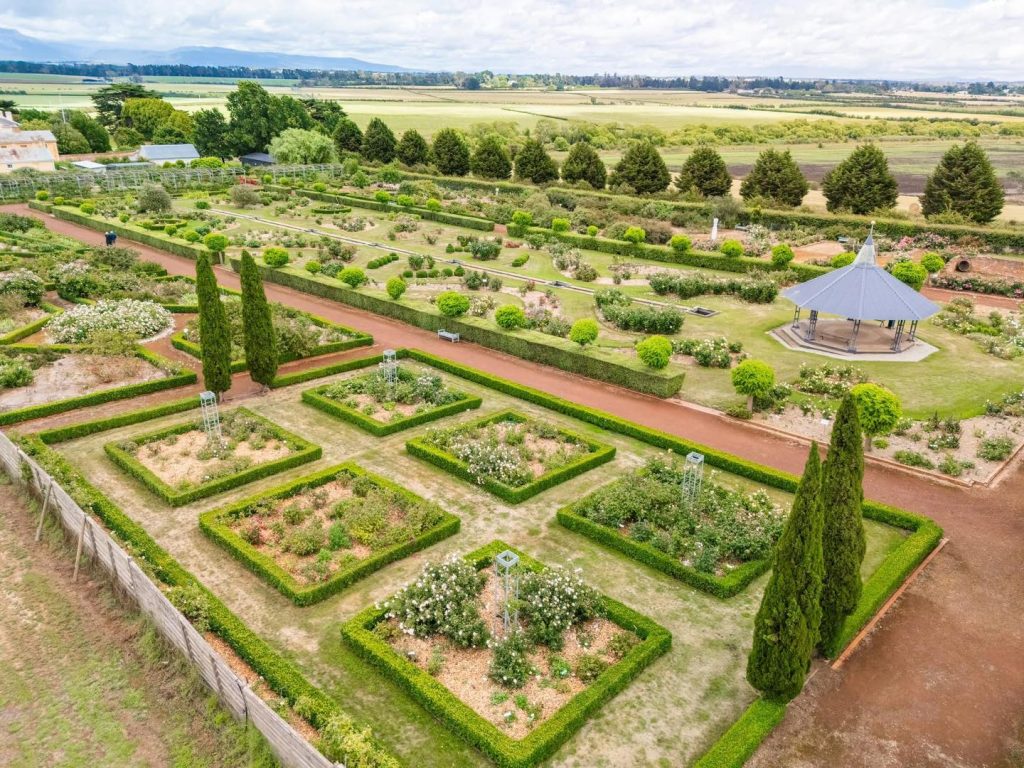
The National Rose Garden at Woolmers Estate is one of the most significant rose gardens in Australia and the southern hemisphere. Spanning 1.53 hectares within a UNESCO World Heritage Site, the garden showcases over 5,000 individual rose plants representing 460 varieties, from heritage cultivars to modern classics.

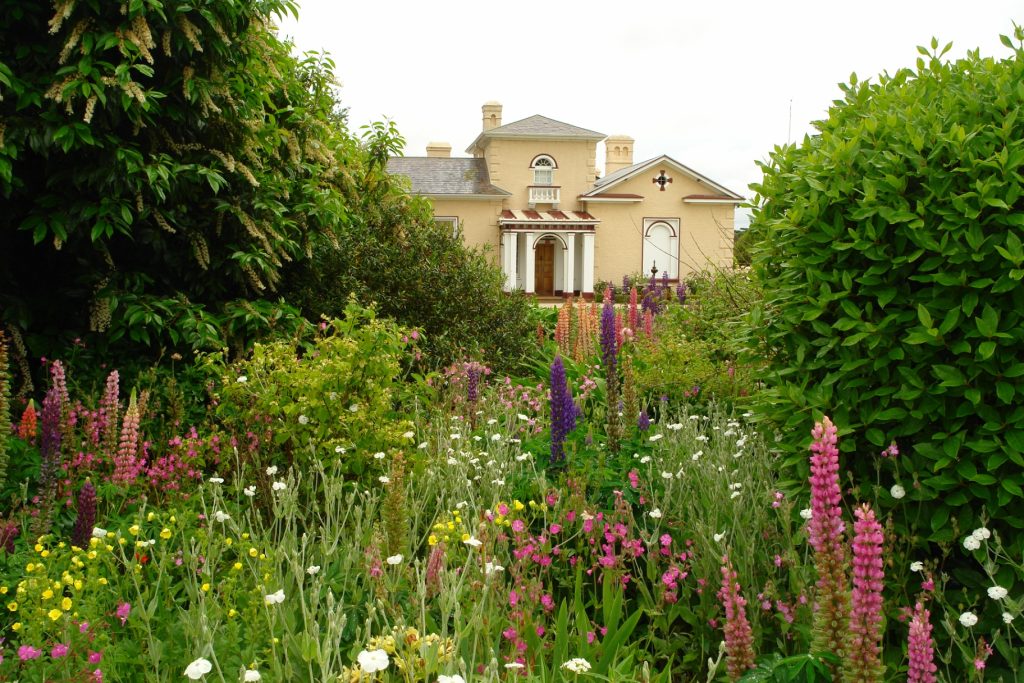
What makes this garden unique is its setting. The formal, symmetrical design acknowledges the 19th-century context of Woolmers Estate, a property established in 1817 and home to six generations of the Archer family. Where colonial-era heritage gardens once gave way to working orchards, today you’ll find one of the most comprehensive collections of rose families in the country.

Rose Plants
0 +
Varieties
0
Garden Area
0 ha
Opened
Est. 0
Discover

Explore the Rose Garden

A formal heritage garden with distinct spaces to discover at your own pace.

The Central Parterre

George Adams Memorial Garden

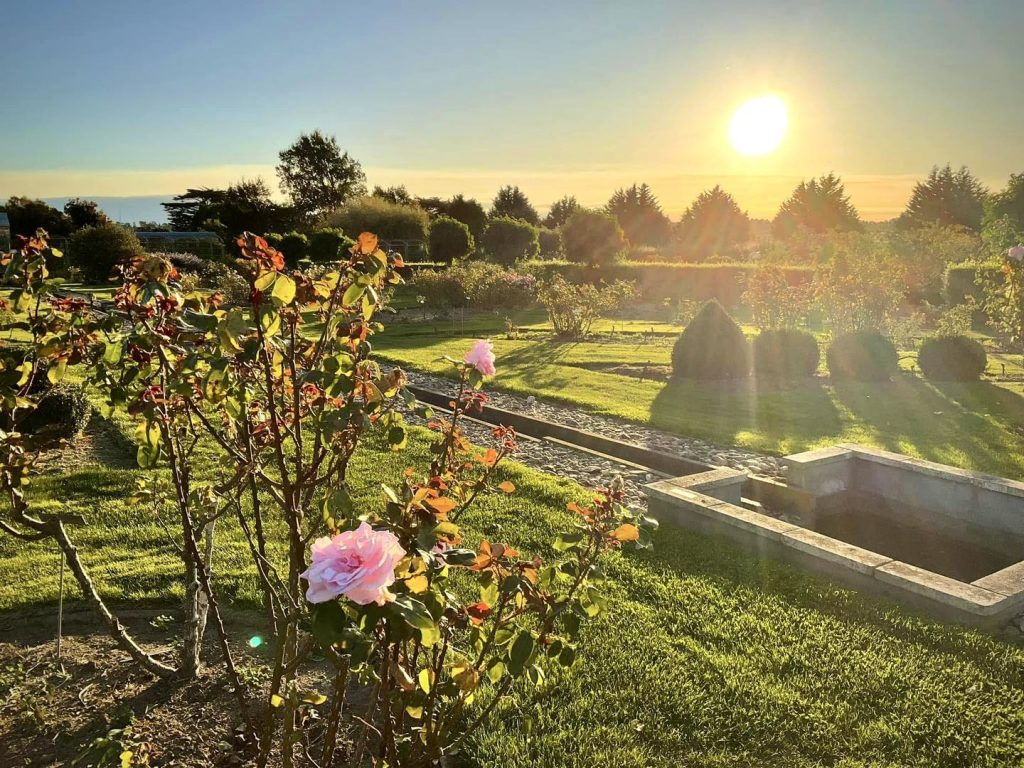
The central parterre stretches 120 metres long and 35 metres wide, with sculptured beds of Hybrid Tea, David Austin, and Floribunda roses. A rill runs down the centre, leading to a 24-metre lily pond. Grassed paths wind between Pittosporum hedges and Robinia mop-top standards.

80-Metre Canopy

The Rose Arbour

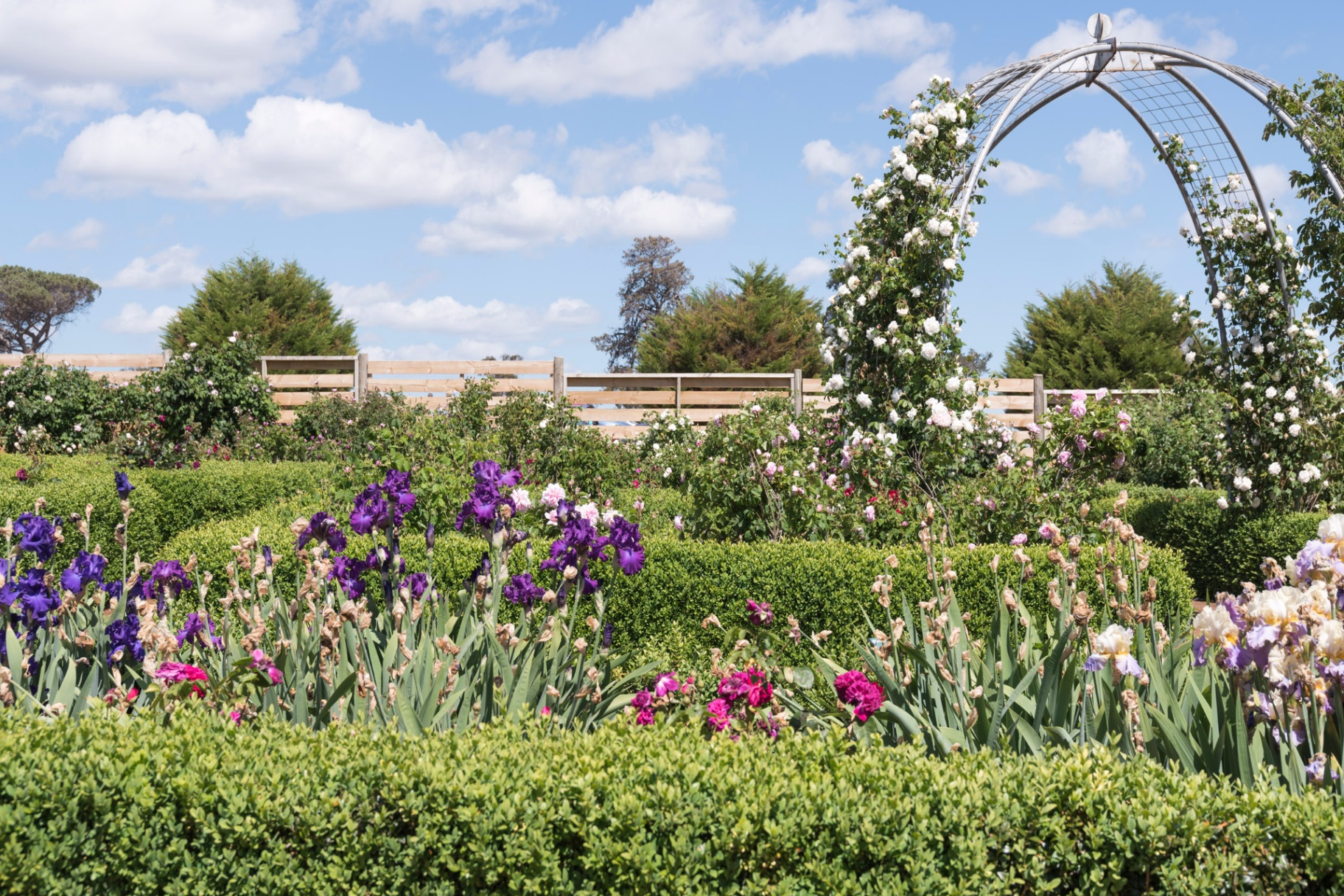
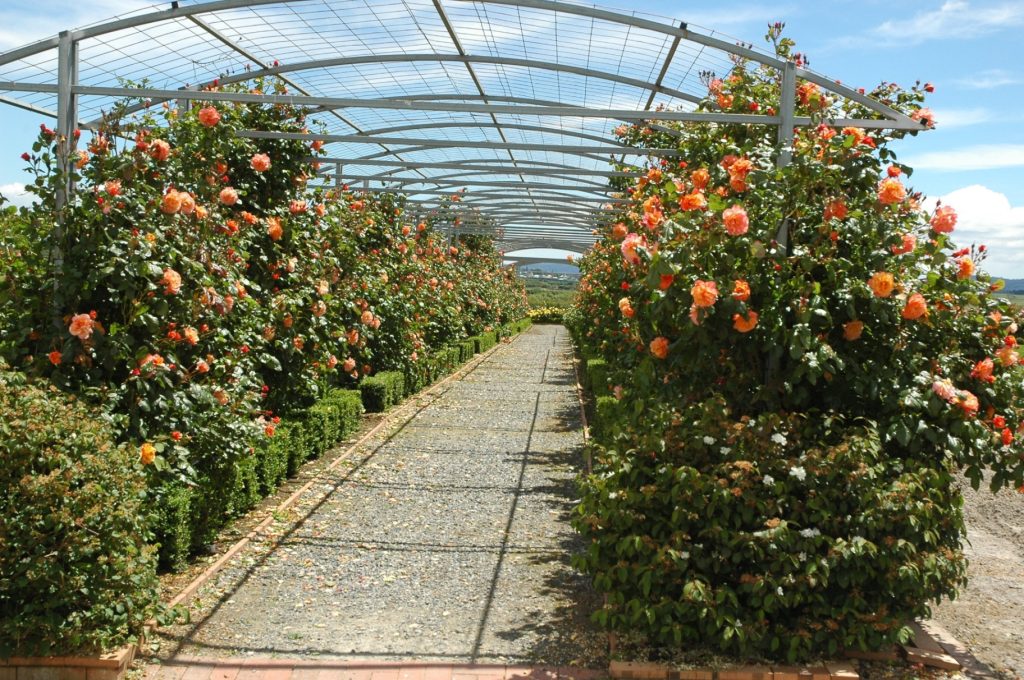
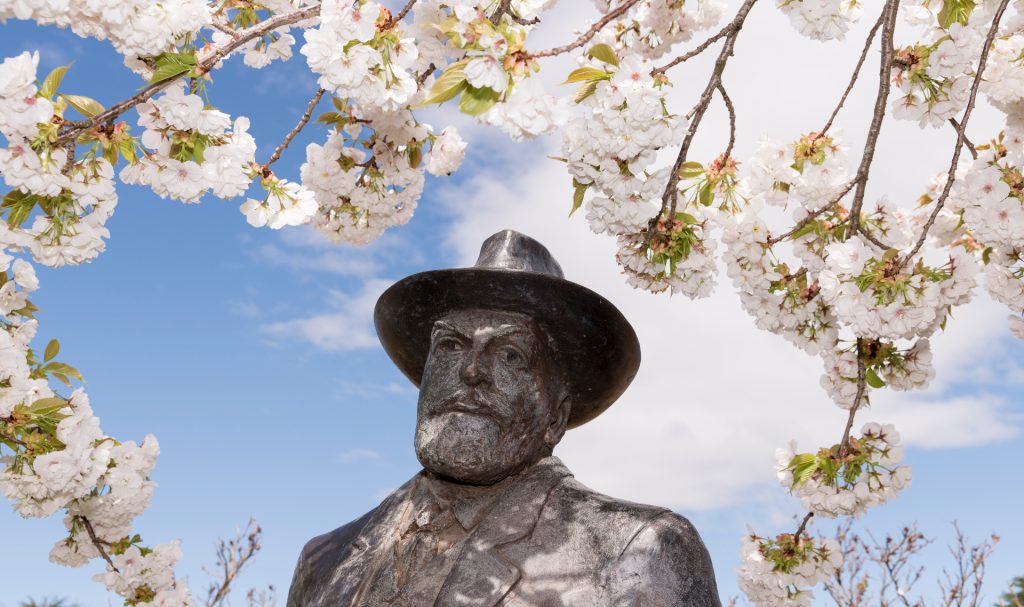
One of the garden’s most photographed features. Planted with Kordes’ Westerland rose and underplanted with Helleborus, it creates a dramatic canopy of colour from October through February. At one end, standard Mt Fuji cherry trees create a spectacular spring display.

Evolution of the Rose

Heritage Rose Collection

The garden’s 20-metre-wide beds trace the evolution of roses through time. Among the collection is the Pamela Hutchins rose, named for the garden’s founding rosarian, planted against the ruin of a building that once serviced the estate’s orchards.

Colonial Heritage

The Historic Walled Garden

Adjacent to the rose garden, the historic walled garden predates the modern rose collection. Remnant apple trees along the western boundary are the last traces of the extensive orchards that once covered this part of the property.

Sculptures & Installations

Art in the Garden

The rose garden has been enriched over time with a collection of artworks that complement its formal design. These sculptures and installations create moments of discovery throughout the garden.

October

Early Season

Early blooms begin. Spring bulbs and cherry blossoms complement first roses.

November

Peak Bloom

Full bloom. The entire garden reaches peak colour. Best month for photography.

December

Peak Bloom

Peak continues. Long daylight hours. Ideal for combining with estate exploration.

January

Second Flush

Second flush begins. Warm conditions with many varieties in strong colour.

February

Late Season

Late season blooms. Fewer crowds, warm evenings. Heritage accommodation guests enjoy after-hours access.

When to Visit

Bloom Calendar

The garden is open year-round, but the roses reach their peak from November through February. General Admission includes the roses alongside 18 heritage buildings, the UNSHACKLED exhibition, and 13 hectares of historic grounds.

The Collection

Rose Families in the Garden

A living history of rose cultivation, from the earliest species to modern breeding achievements.

Hybrid Teas

The classic long-stemmed rose. Featured prominently in the George Adams Memorial Garden’s sculptured beds.

David Austin

Old-fashioned bloom form with modern repeat-flowering. Displayed in the central parterre.

Floribunda

Cluster-flowering varieties including George Best, which borders the walkway to the Kitchen Garden.

Modern Climbers

Covering the historic ruin in the garden’s north-eastern corner, creating a dramatic backdrop of colour.

Kordes Roses

The celebrated Westerland variety covers the 80-metre arbour, known for exceptional disease resistance and fragrance.

Heritage Varieties

Historical roses tracing the evolution of cultivation, connecting to Woolmers Estate’s own 200-year heritage.

1817

Thomas Archer I establishes Woolmers Estate with extensive orchards on the future garden site.

1990s

The concept for a rose garden showcasing the rose in Tasmania emerges.

1994

The last Archer heir passes. Woolmers Foundation formed to preserve the estate.

2001

Construction begins 5 January. Garden opens 1 December, designed by Context Design with planting by rosarian Pamela Hutchins.

2010

Woolmers Estate inscribed as a UNESCO World Heritage Site.

Today

Over 5,000 roses across 460 varieties, maintained by volunteers and supported by visitors.

From Colonial Orchards

History of the Rose Garden

The idea to establish a garden showcasing roses in Tasmania first emerged in the early 1990s. The site chosen was the former orchard land within the grounds of Woolmers Estate. Construction commenced on 5 January 2001.

The master plan was created by Context Design, with plant selection and layout by rosarian Mrs Pamela Hutchins. The garden opened on 1 December 2001 and has continued to develop as a living collection, maintained by dedicated volunteers.

Frequently Asked Questions

When is the best time to visit the rose garden?

The National Rose Garden reaches full bloom in November each year, with peak colour continuing through to February. October brings the first blooms alongside spring cherry blossoms, while January and February offer a second flush of colour with fewer visitors. The garden is open year-round, though March through September sees the roses dormant.

The National Rose Garden is one of the most comprehensive collections of rose varieties in Australia, with over 5,000 plants across 460 varieties. What distinguishes it from other Australian rose gardens is its setting within a UNESCO World Heritage Site, where the formal garden design acknowledges the 19th-century heritage of the estate.

Yes. The National Rose Garden at Woolmers Estate is just 20 minutes from Launceston by car, located in Longford, Tasmania. It is easily accessible from the Launceston Airport (also 20 minutes) and the Heritage Highway (less than 5 minutes).

Our Partners

Thank You, Neutrog

We have been partnering with Neutrog and it’s been a game-changer for us at Woolmers Estate. Their products have truly helped transform our gardens, bringing out the vibrancy and health of our plants in ways we hadn’t seen before. They’ve been partners in our quest to maintain and enhance the beauty of our estate.

Thank you Neutrog for your outstanding products and support — what you do to help Woolmers Estate National Rose Garden is truly appreciated.

Plan Your Visit

Experience living history

Open Daily from 8am

Last grounds entry: 4pm
Grounds close: 6:30pm

Location

20 minutes from Launceston
17 minutes from Launceston Airport

Tasmanian Residents

FREE entry when bringing interstate or overseas guests

Admission

Adult $39
Concession $35
Child (16 years & under) $5
Family (2 Adults + 2 Children) $83
Groups (10+) $35 pp
Guided Tour $10 Upgrade
Book Tickets