Thomas Archer I
Pioneer, Grazier & Member of the Legislative Council
Born in Hertford, England, the son of a miller who went bankrupt, Thomas left England at 21 and arrived as a free settler in Sydney in 1811. He moved to Van Diemen's Land in 1813, working in the Commissariat at Port Dalrymple before acquiring his first land grant on the Norfolk Plains in 1817.
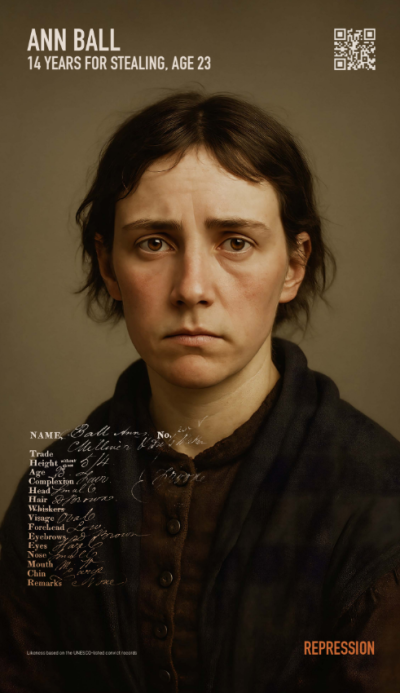
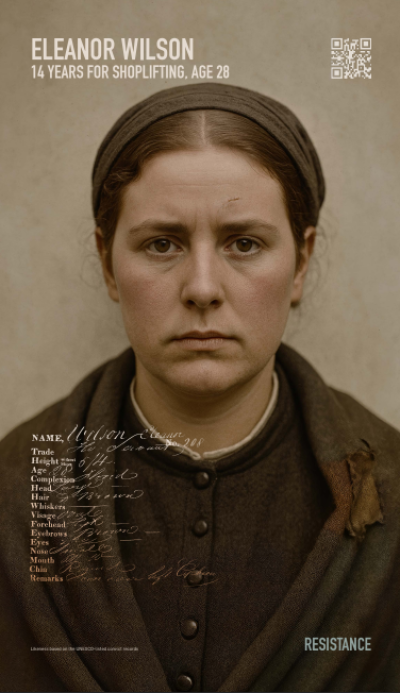
With eight assigned convict servants, Thomas established Woolmers as a pastoral estate, eventually accumulating 13,000 acres and becoming one of Tasmania's most successful merino wool producers. In 1831 alone, he shipped 60,000 pounds of wool to England.
Thomas built a village-like estate with a grand homestead, woolshed, chapel, store, workshops and workers' accommodation. He was known as a fair master who used reward rather than punishment, and his convicts were treated as "victims of circumstance, not hardened criminals". Many learned skills, earned their freedom, and chose to stay.
He held various prominent positions in the colony including Justice of the Peace, Magistrate, Coroner, part-time preacher, and Member of the 1st Legislative Council. He married 15-year-old Susannah Hortle in 1816 and died at Woolmers in 1850 from dropsy, aged 60.
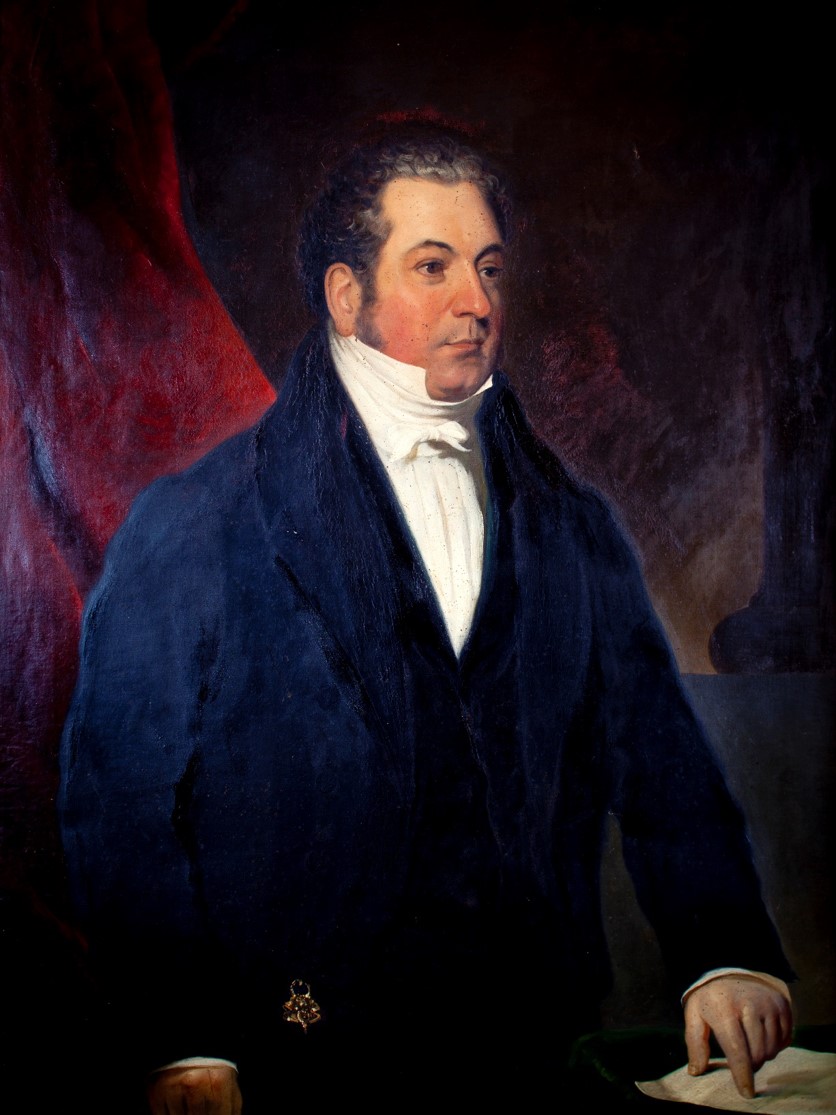
Thomas William Archer II
Woolmers' Heir Apparent
Born at Launceston in 1817, the same year his father founded Woolmers, Thomas II was groomed to inherit the estate. He served as a Justice of the Peace and was a grazier alongside his father, but tragically died before developing a public profile.
In 1839, he married Mary Abbott and moved into Woolmers Cottage, the smaller residence on the estate built for the heir. They had two children: a son who would become Thomas III, and a daughter.
Thomas II died of scarlet fever at Woolmers Cottage in 1844, aged just 26. His son Thomas III inherited Woolmers but was only a boy of 10 at the time. A family trust managed the property for the next two decades until Thomas III came of age.
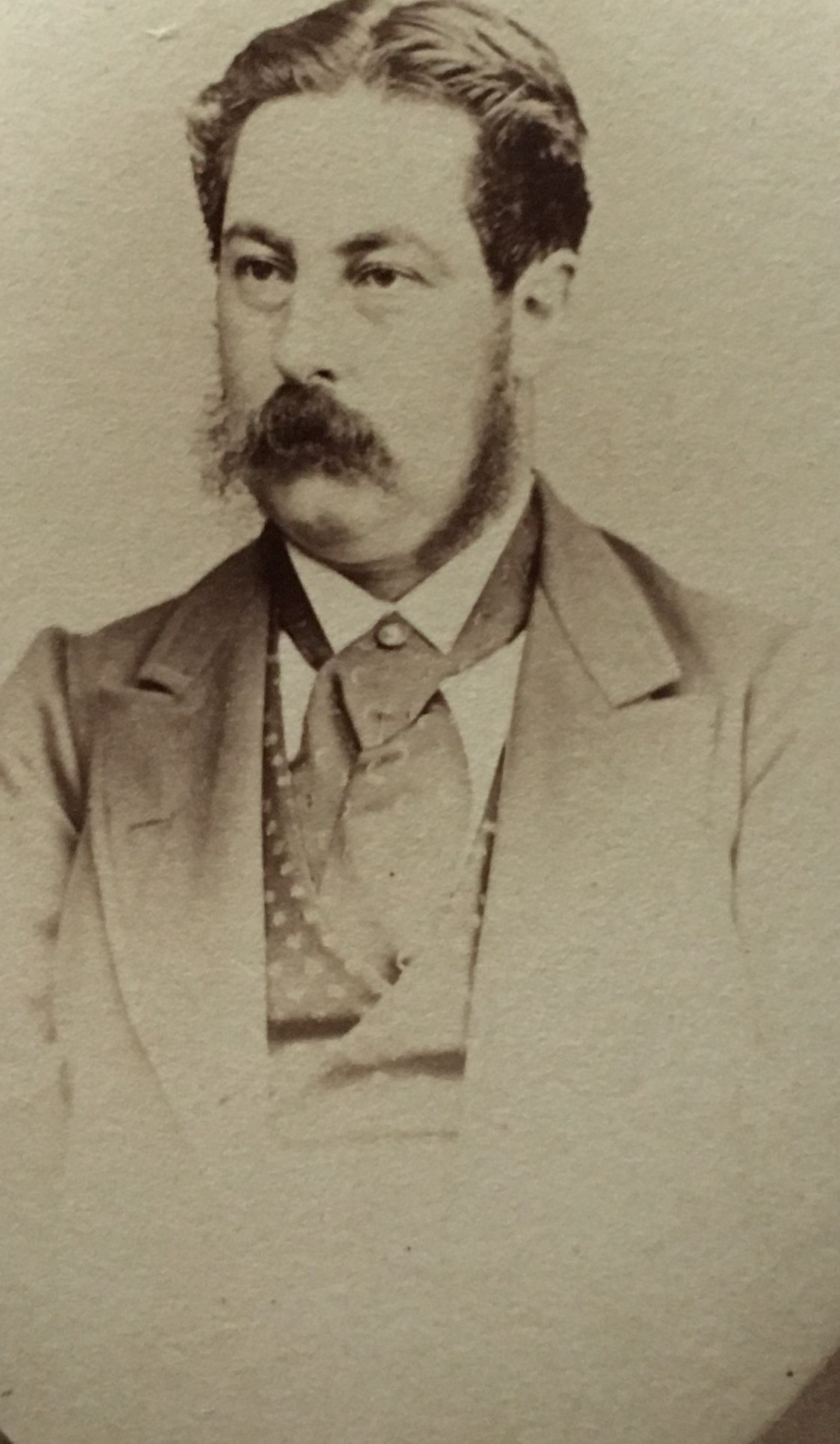
Thomas Chalmers Archer III
Landowner, Bon Viveur & Chronic Debtor
Born at Woolmers, Thomas III was an English gentleman returned from education abroad who married Louisa Cathcart in 1861. They had four sons and three daughters, but the marriage eventually dissolved. Not interested in farming or role modelling, Thomas III lived an extravagant lifestyle in Launceston that the estate's income could not sustain.
After inheriting Woolmers in 1865, he was in almost continuous financial difficulty from around 1870 until his death. In 1881, he signed over his life interest in Woolmers to a prominent lawyer and his wife Louisa moved with their youngest children to Victoria.
Thomas III died in the Blenheim Hotel, Longford, in 1890, aged just 49. Despite his financial ruin, the estate itself survived, and ownership passed to the next generation.
Thomas Cathcart Archer IV
Yachtsman, Golfer, Pioneer Motorist & Municipal Councillor
Born in Invermay, Launceston, Thomas IV rescued Woolmers from his father's financial legacy and restored the estate to productivity. He served as a Longford Municipal councillor for more than 30 years, including multiple terms as Warden.
A man of remarkable energy and passions, he was a champion golfer who built his own 9-hole course on the estate (home to the Longford Golf Club from 1908 to 1915), a pioneering motorist who bought his first car, a Cadillac 'Model A', in 1904, and the long-term Commodore and later Patron of the Tamar Yacht Club.
He married Eleanor Harrop in 1890 and had one son. In 1912, a significant blow struck when 2,400 hectares of Woolmers was compulsorily purchased by the Closer Settlement Board. Thomas IV installed a nautical-style flagpole in the walled garden with yardarms for signal flags. He died in Melbourne in 1934 following surgery.
Thomas Edward Cathcart Archer V
Tasmanian Champion Golfer, Orchardist & Motor Enthusiast
Thomas V inherited his father's love of sport and motors, beginning with an Indian motorcycle and sidecar around 1913. He became a champion Tasmanian golfer who competed in the Australian Open, no doubt benefiting from growing up on Woolmers' private course.
In 1915, he married Marjorie Patten, whom he'd met through their shared passion for golf as teenagers. Their honeymoon tour of Tasmania was made in the family's 1912 Wolseley, which still sits in the coach house today. Together they had one son, the future Thomas VI. Marjorie left her mark throughout the homestead, redecorating with William Morris fabrics and Sanderson linens.
In 1947, another devastating compulsory acquisition under the Soldier Settlement Scheme took a further 2,400 hectares. Thomas V bought back 282 hectares, leaving Woolmers at roughly 800 acres. He re-established the apple orchard and continued farming until his death at Woolmers House in 1975, aged 82.
Thomas William Archer VI
Preservationist, Heritage Visionary & Last of the Line
The only child of Thomas V and Marjorie, Thomas VI was adored by his parents. He attended Miss Storey's Private School in Longford, then Scotch College as a boarder. A streptococcal throat infection as a child caused some permanent health issues, and he was brought home to be schooled by a governess. He grew into a very intelligent, sweet-natured, somewhat shy man with a remarkable variety of interests including photography, history, cars, literature, model boats, amateur radio and nature.
Thomas VI never married and had no children. He lived alone at Woolmers for 20 years after his father's death, dedicating himself to preserving the estate and its contents exactly as generations before him had left them. He carried a large bunch of keys and was deeply protective of his family's legacy. His clothes, personal effects, school items and sporting equipment remain in the house to this day.
When he died in 1994, Thomas VI bequeathed Woolmers, its buildings and entire contents to the Archer Historical Foundation (now the Woolmers Foundation). The estate was opened to the public in 1996. His final gift ensured that 180 years of accumulated family history would be preserved for future generations to discover.