
We are a not-for-profit organisation. Your donation supports the conservation of this World Heritage site
Help protect this UNESCO site
Woolmers Estate

Heritage Buildings

Explore 18 convict-era and colonial buildings across three distinct precincts — each telling a remarkable story of convict labour, free settlement, and six generations of the Archer family.

World Heritage Site

The Historic Core of the Estate

At its heart, Woolmers today looks much as it did in 1850, when the first Thomas Archer died. It shows the results of 30 years of visionary enterprise by one man, supported by managers, paid workers, and numerous ‘assigned servants’ (convicts).

While the original contents were added to by five succeeding generations of Archers, forming a unique and fascinating collection, the buildings themselves are little changed and would still be quite recognisable to Thomas Archer I and the 40–50 other people who lived on the estate in his time.

The numerous surviving structures are grouped in three distinct functional zones: the Domestic Precinct, the Service Precinct, and the Farm Precinct.

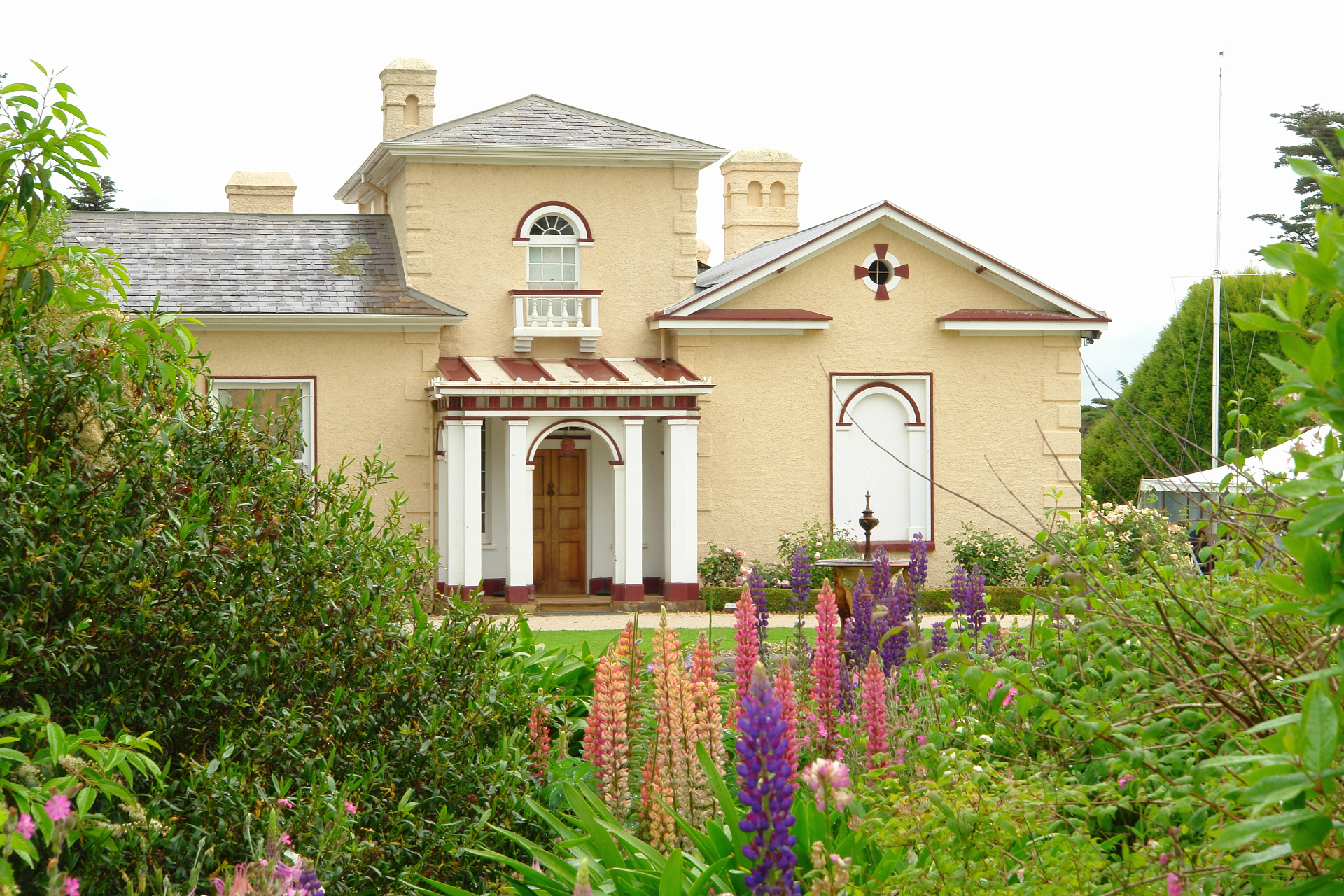
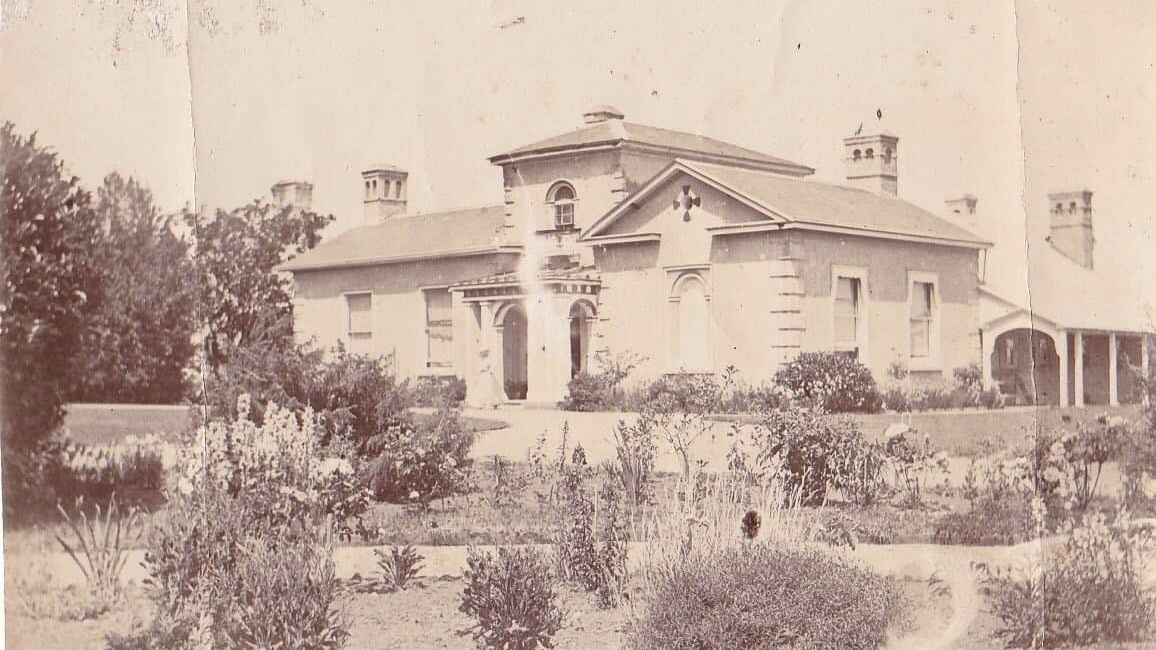
Today View C. 1880
Domestic Precinct

The Private Domain

The Domestic Precinct was the exclusive province of the Archer family and their guests. Commence your self-guided tour just inside the northern gates to the Walled Garden, where making a good impression was paramount — numerous state Governors, and even a royal prince, entered through these gates.

Woolmers House Woolmers House — historic
1

Woolmers House

c.1820 & early 1840s Guided Tour Available

Built in two stages, Woolmers House is one of the earliest examples of the Italianate style in Australia. Its contents are extraordinary — unlike almost all other house museums, everything you see belongs here: nothing has been brought in for effect.
Kitchen Wing & Courtyard
2

Kitchen Wing & Courtyard

c.1820 & 1847

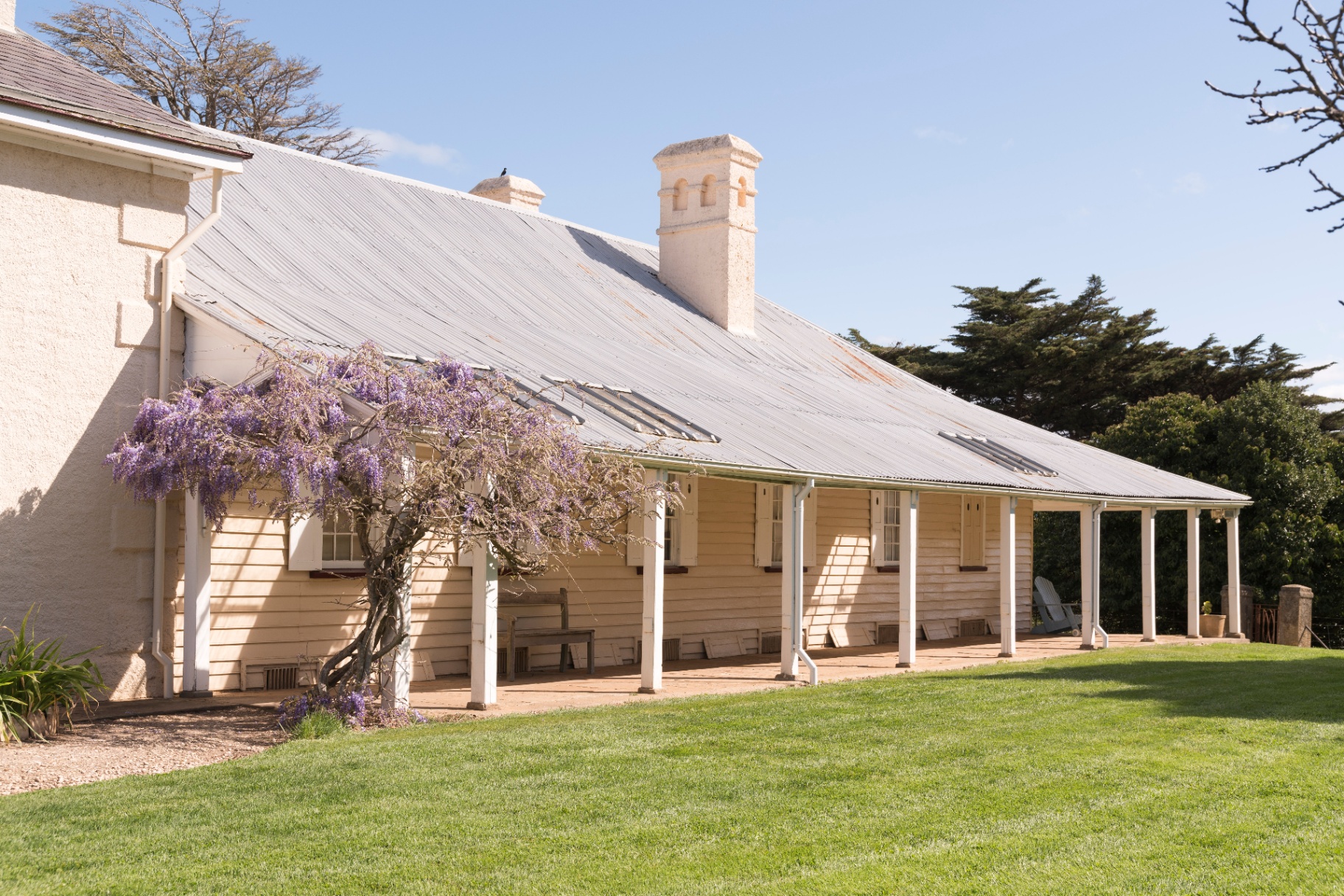
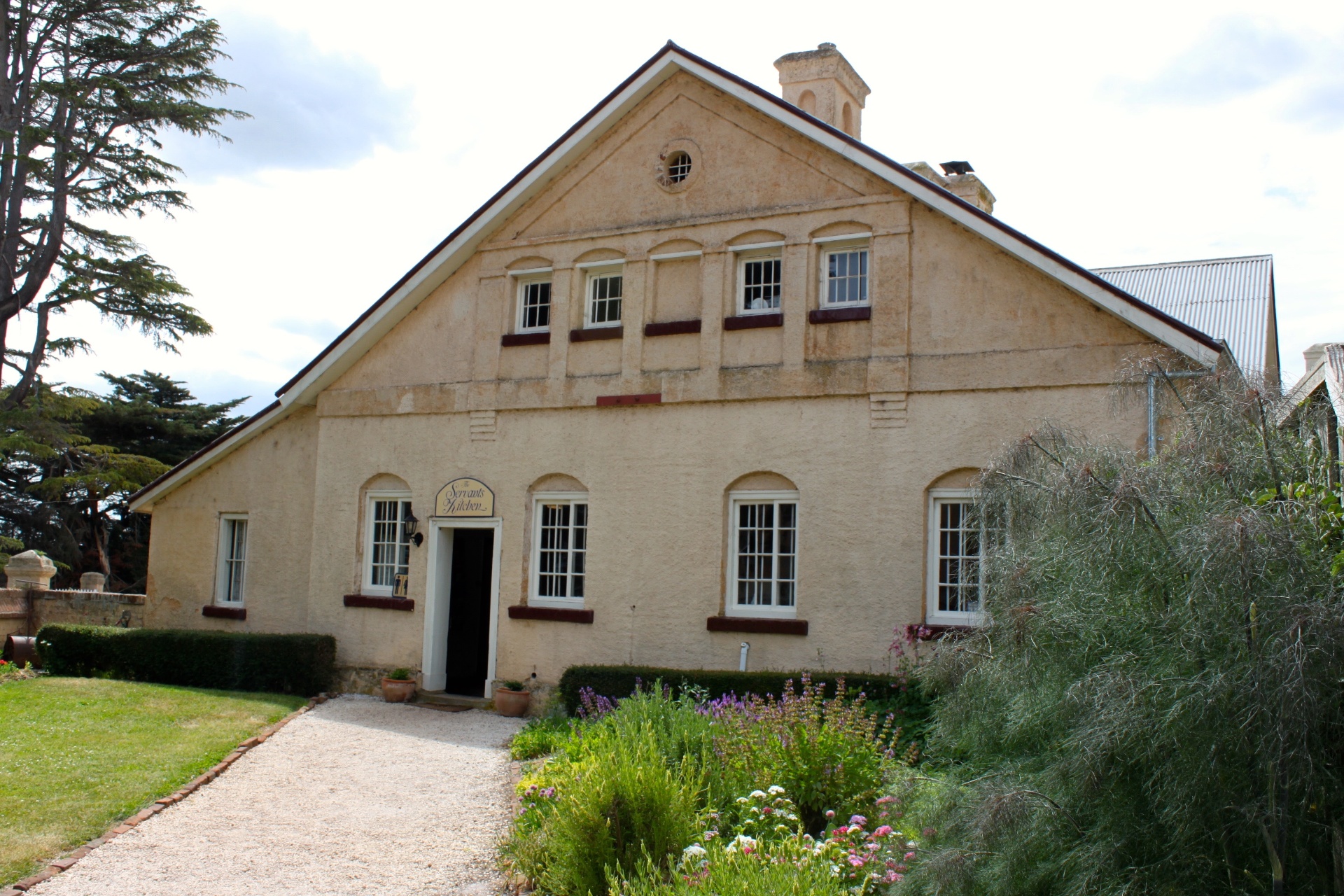
Designed by William Archer to complement the Italianate addition to the main house. In addition to a kitchen, the 1847 building housed two larders, a scullery, a wash-house/laundry, and a Servants' Room.
Walled Garden
3

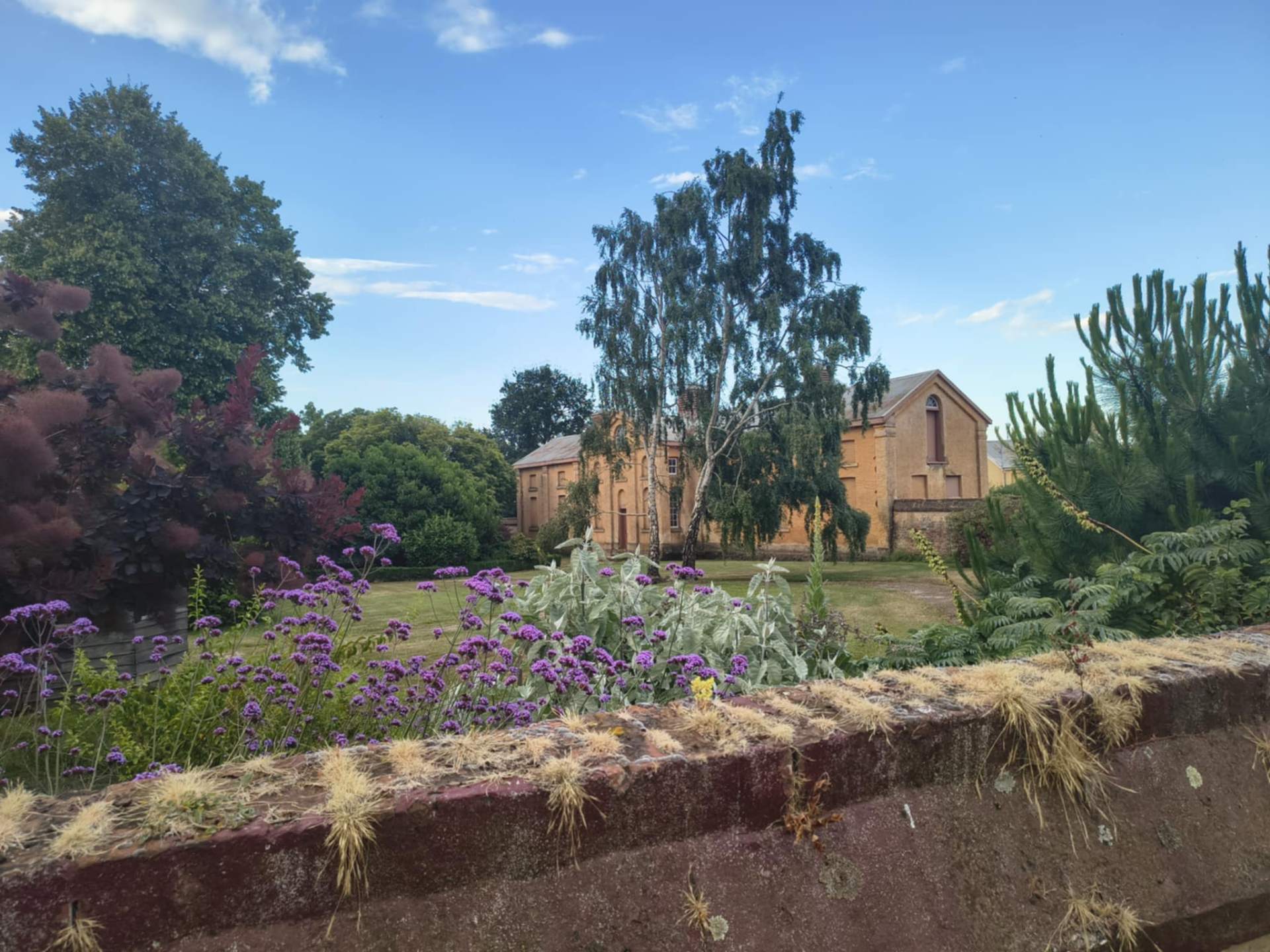
Walled Garden

Mid 1840s

This private pleasure ground for the Archer family features a carriage sweep, elaborate garden beds, and several unique structures including a privy, a smoking room, and a cast-iron Coalbrookdale fountain from 1864.
Coach House & Stables
4

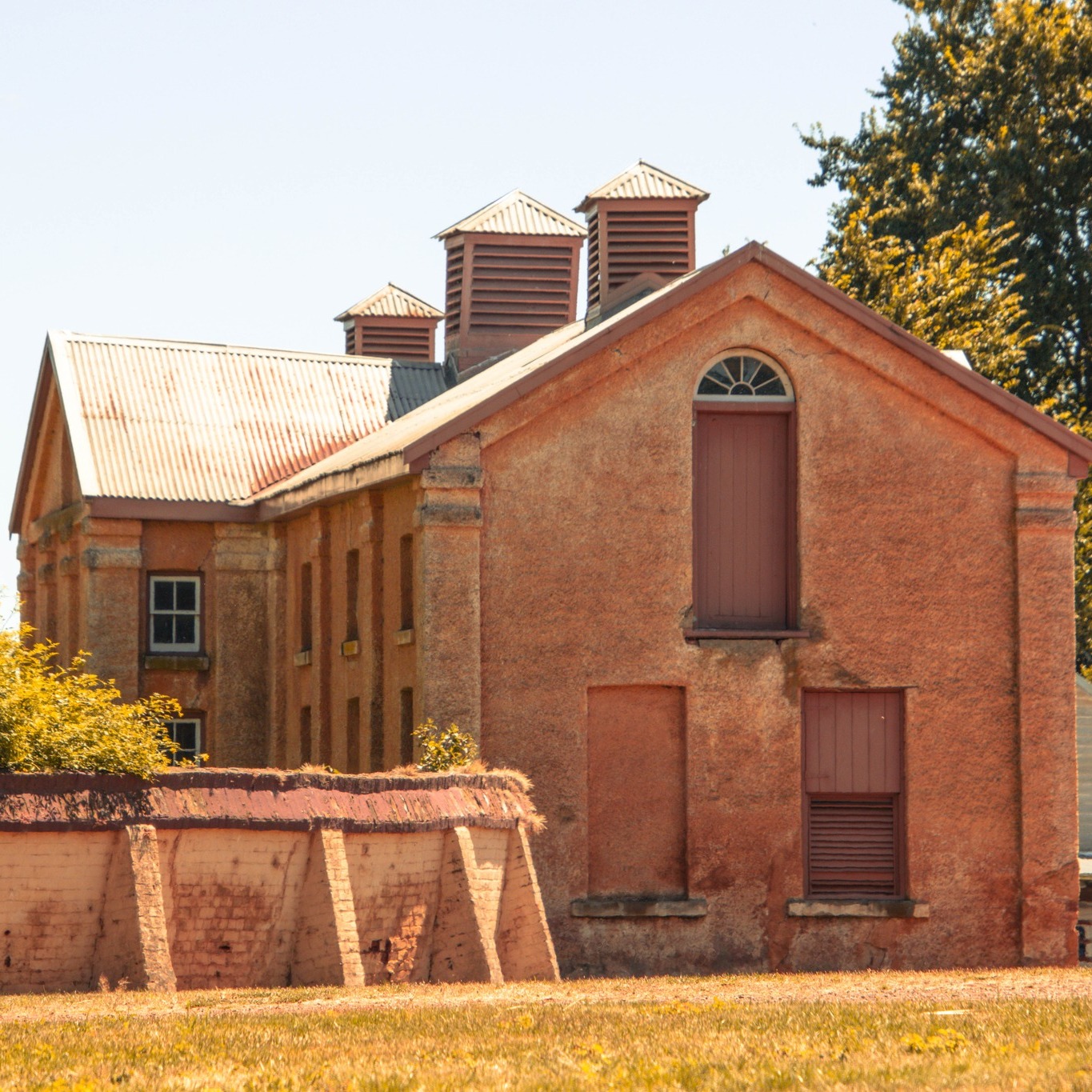
Coach House & Stables

1820s & c.1840

Considerably extended and remodelled in connection with the additions to Woolmers House in the early 1840s. The building comprises two wings of six-stall stables, flanking a coach-house large enough for two vehicles.
Coachman's Cottages
5

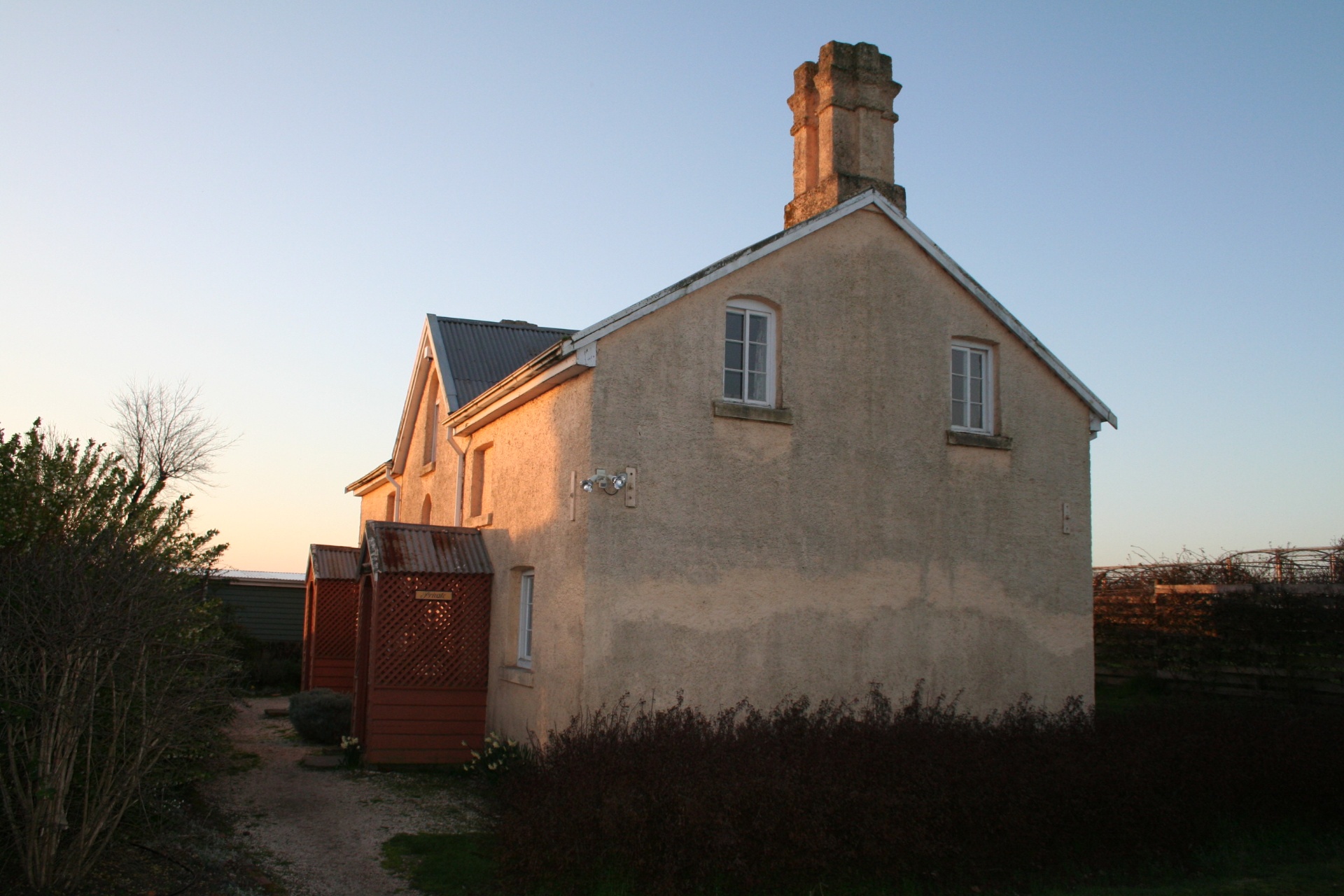
Coachman's Cottages

1830s Visitor Accommodation

Originally a pair of three-roomed cottages, probably designed by convict builder/architect James Thomson who provided plans for small buildings at Woolmers in 1833 and 1835.
Service Precinct

Supporting the Estate

The Service Precinct functioned as an intermediate zone, in support of both the Domestic Precinct and the wider estate. It was located near the house but was separated from it by a high brick wall — maintaining the essential boundary between family and working life.

Chapel & Apple-Packing Shed
6

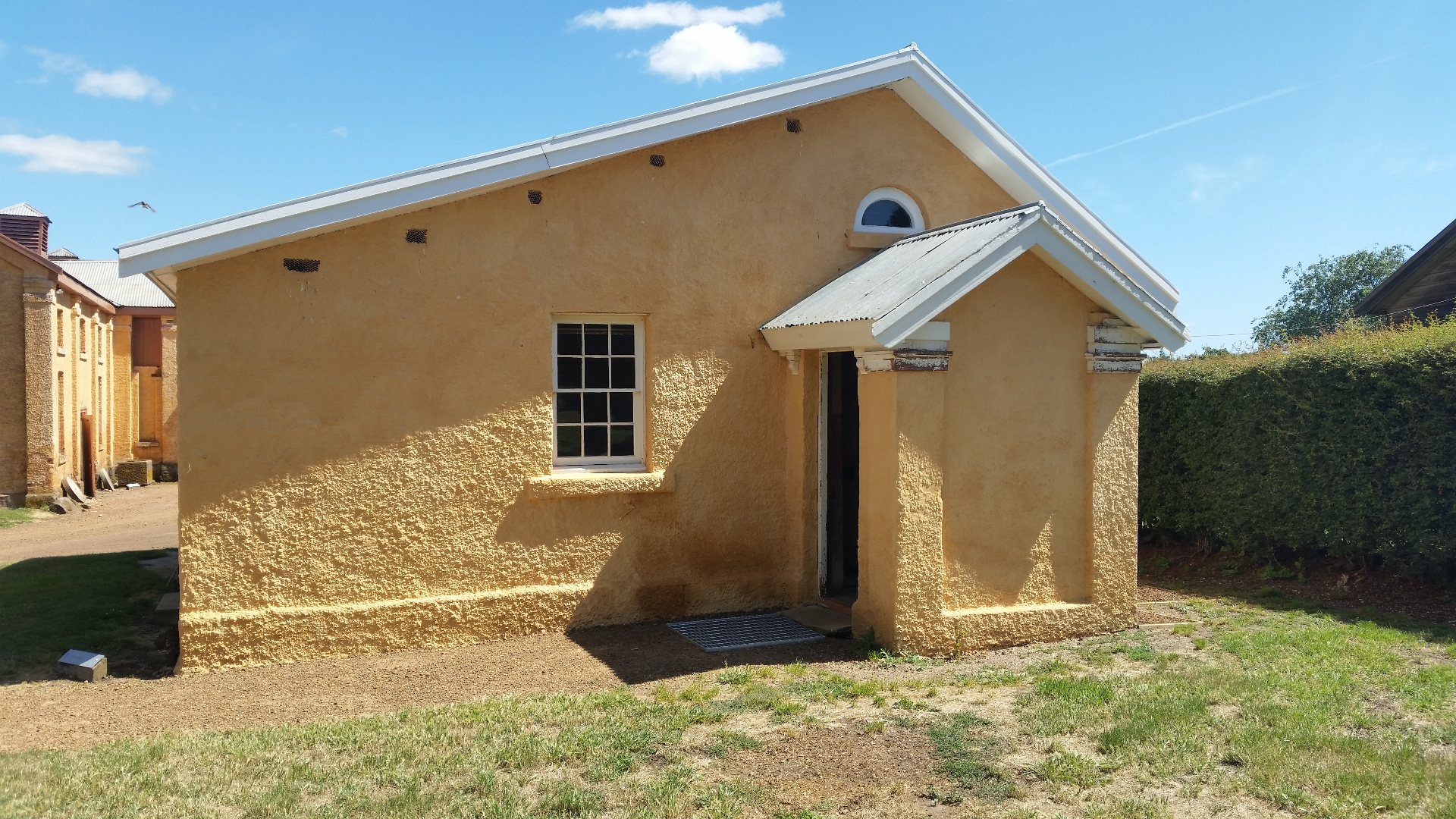
Chapel & Apple-Packing Shed

1830s & 1910s

Erected to accommodate the religious instruction of assigned servants (convicts) as required by government authorities. Later converted into an apple-packing shed by Thomas IV in the 1910s.
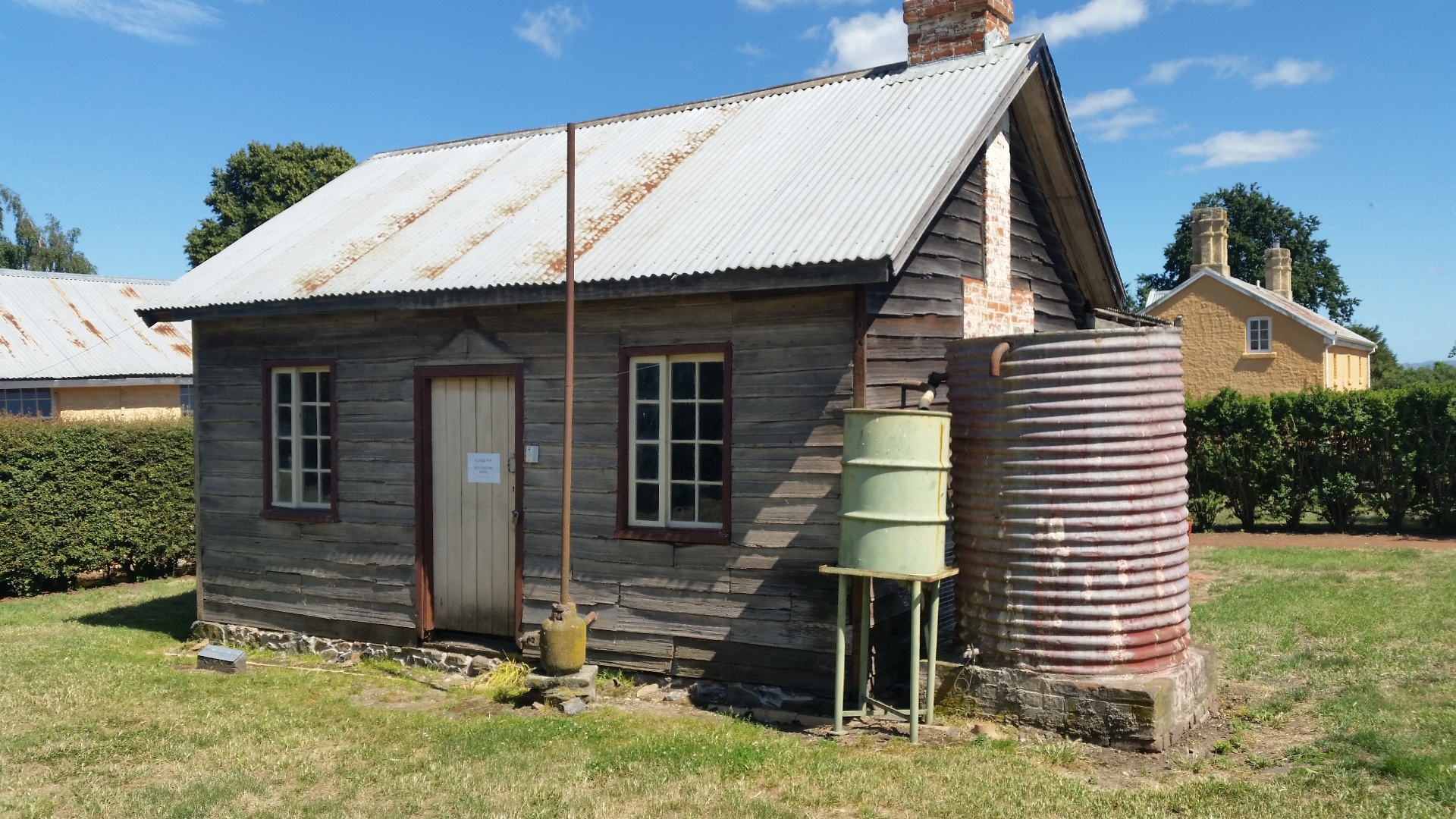
Mountgarrett's Cottage
7

Mountgarrett's Cottage

1820s & 1830

A tiny two-roomed brick-nogged cottage believed to have once been the home of Dr Jacob Mountgarrett, a former colonial surgeon and magistrate who was sacked for cattle stealing and assisting bushrangers.
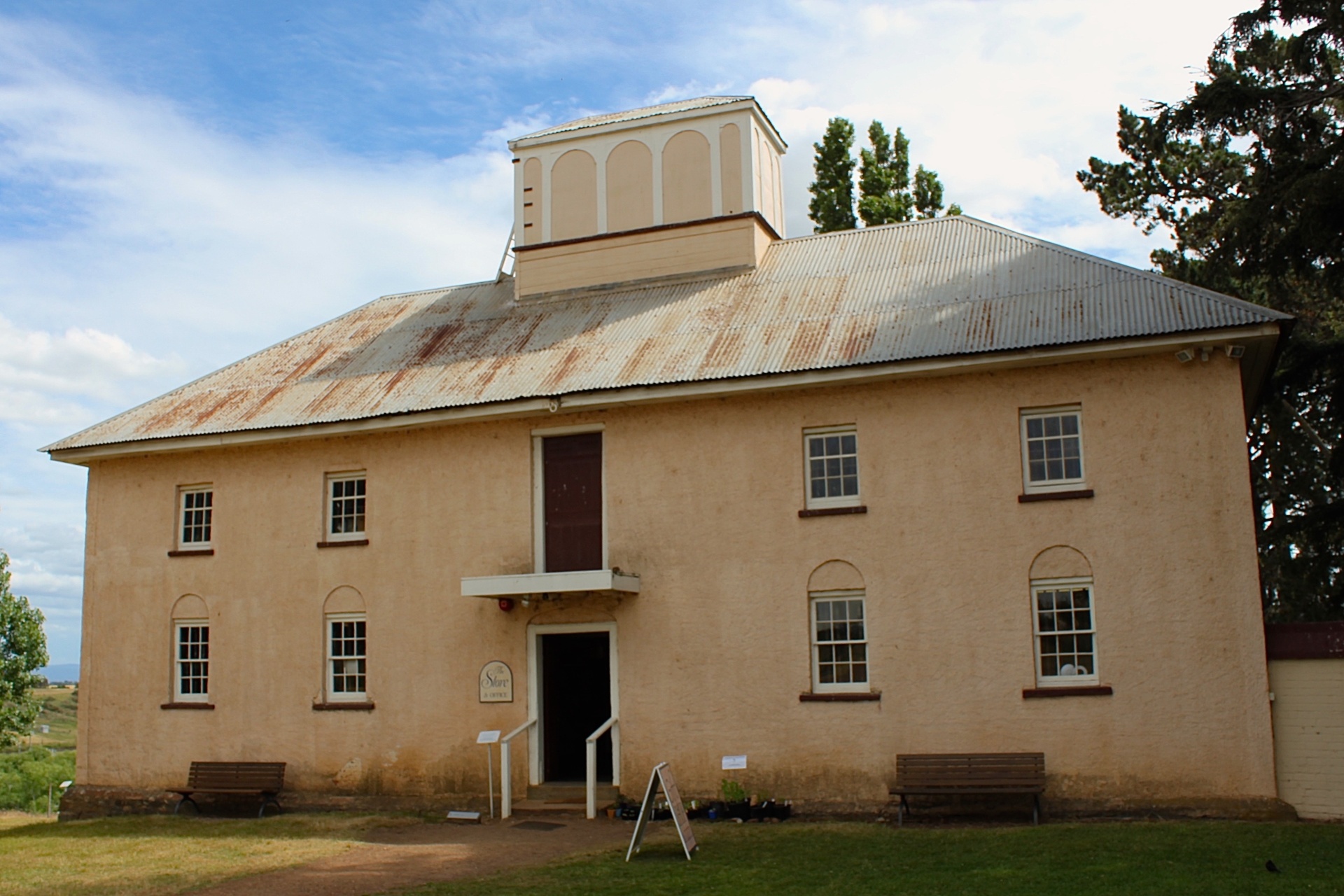
The Store
8

The Store

c. 1825

A substantial three-storey building that functioned as a private warehouse, accommodating almost everything necessary for domestic, gardening and farming purposes. Later served as a golf club-house c.1900.
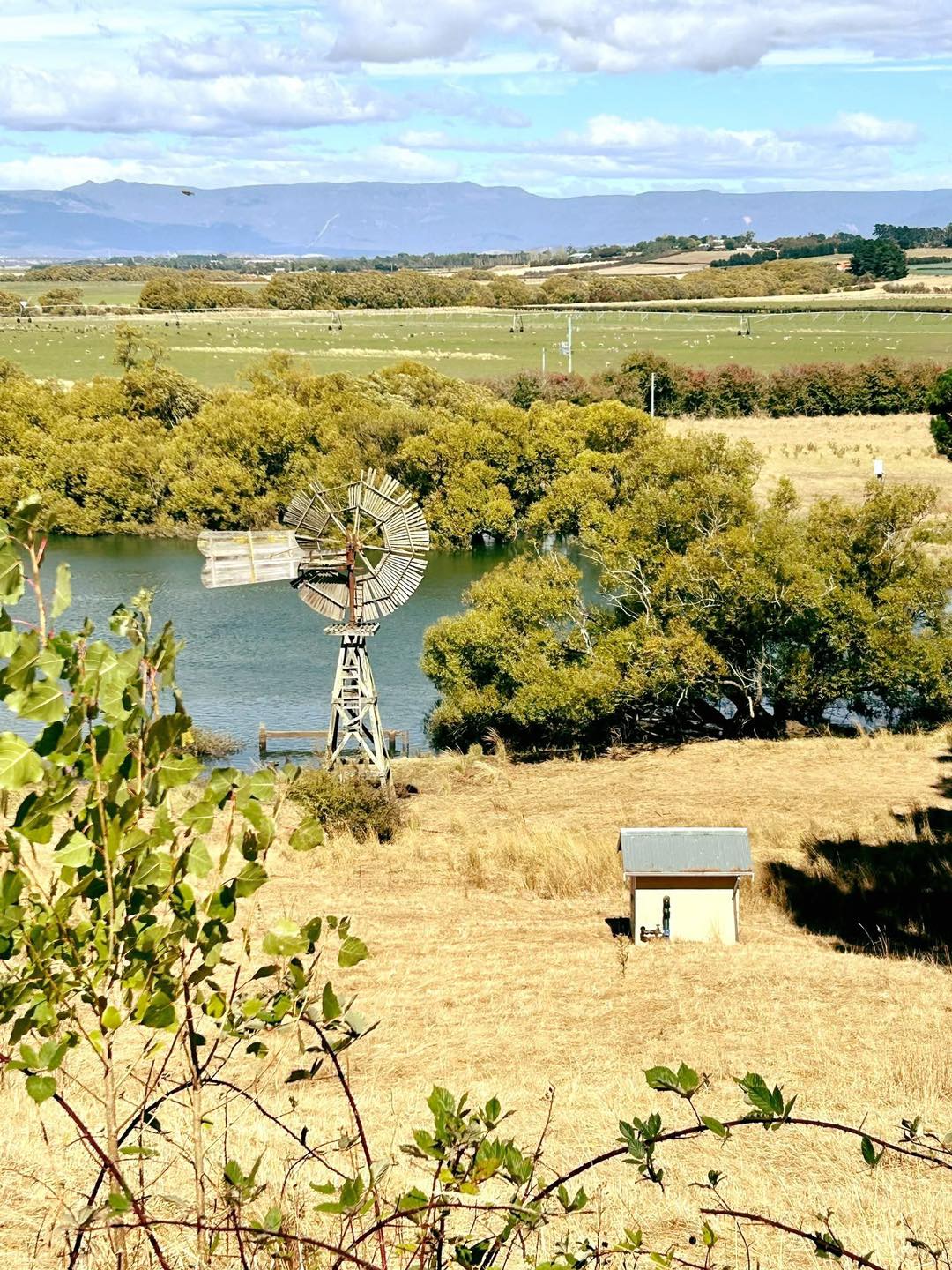
Pump House & Windmill
9

Pump House & Windmill

c.1845 & c.1900

The octagonal Pump House was built to pump water from the river using horse-power. The wooden windmill is a rare survivor of what was once a common rural sight.
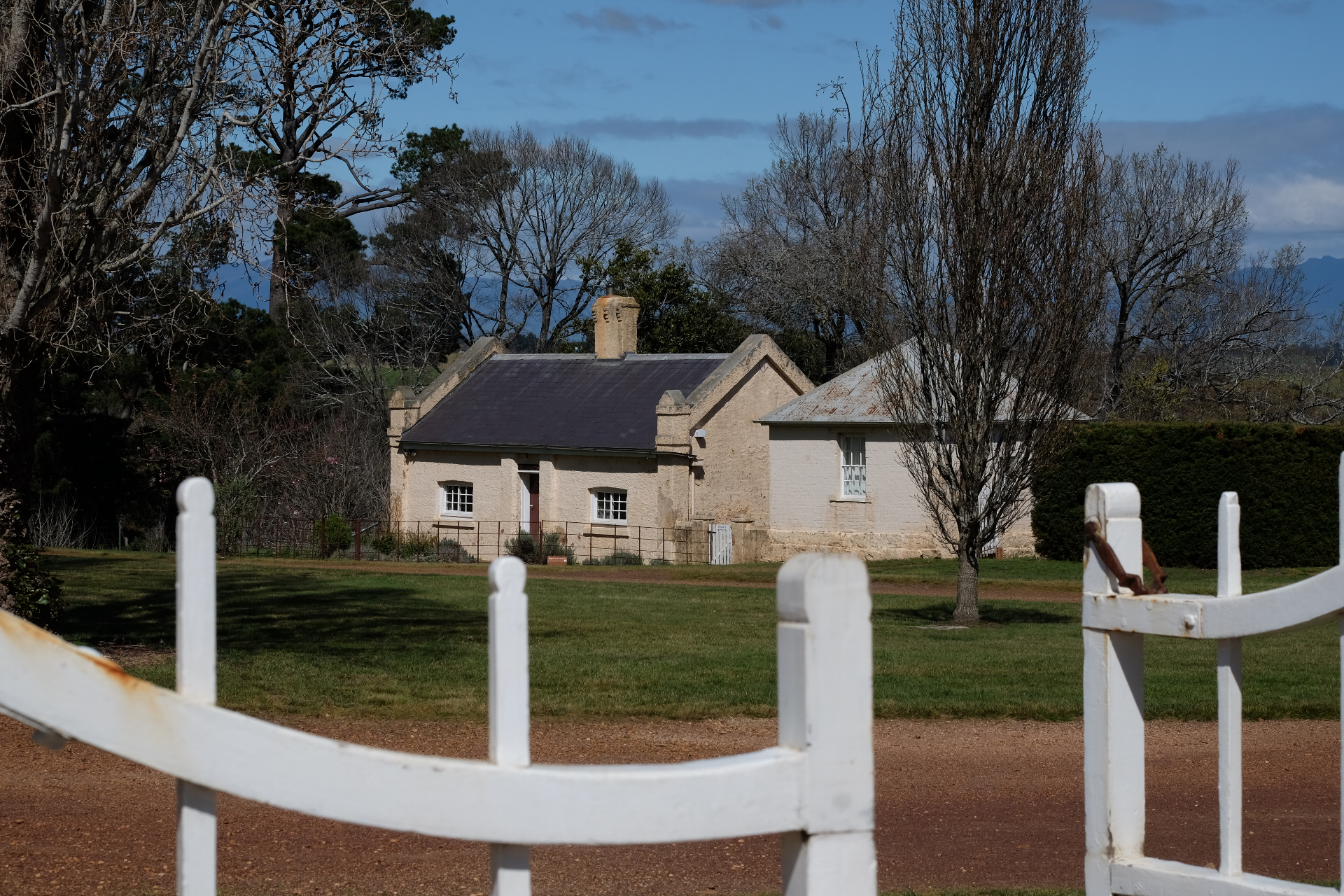
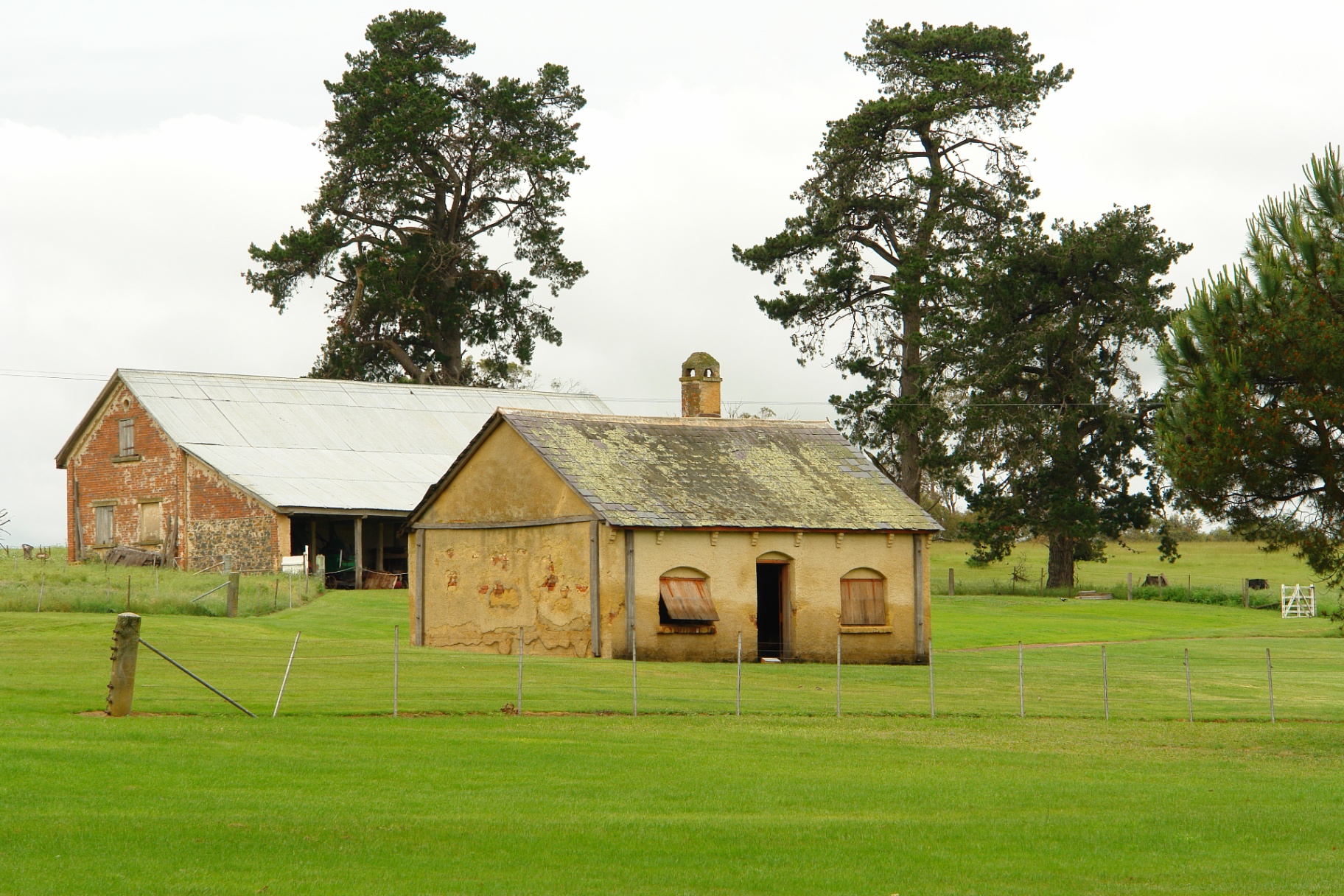
Bakehouse Cottage
10

Bakehouse Cottage

1820s Visitor Accommodation

Tradition and form suggest this building probably began life as a Bakehouse. It incorporates three fireplaces and features an expensive fire-resistant slate roof.
Farm Precinct

Where the Work was Done

The Farm Precinct was the productive heart of the estate, where 10,000 sheep were shorn, wool was packed for export to England, iron was wrought, and cider was pressed. These buildings are monuments to convict labour and agricultural ingenuity.

Blacksmith Shop
11

Blacksmith Shop

1822

The blacksmith was one of the most important skilled workers on the estate. In the early 1820s the Woolmers blacksmith also repaired tools for a nearby convict road-gang.
Free Settlers' Cottages
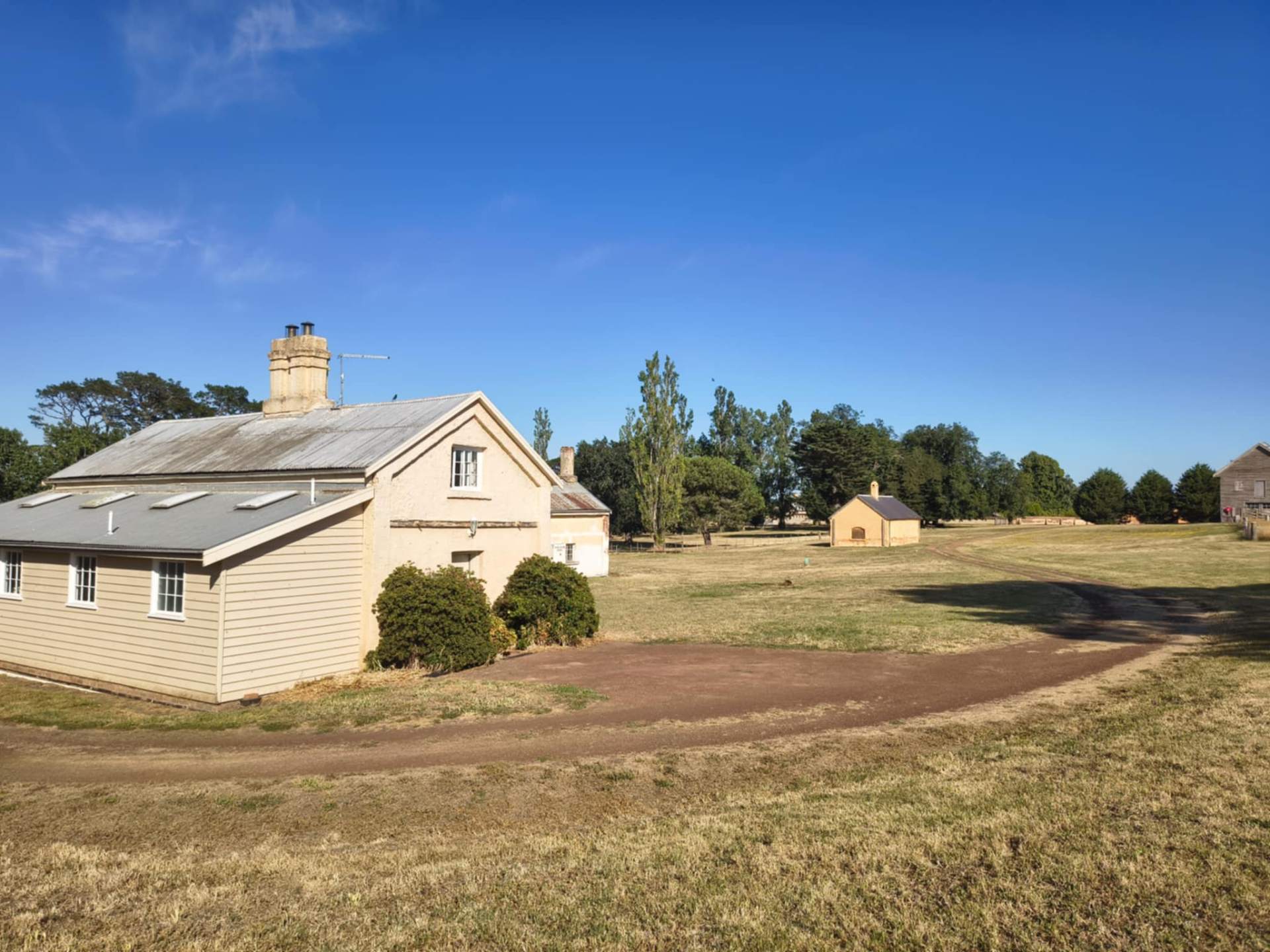
12

Free Settlers' Cottages

1830s & 1840s Visitor Accommodation

Three pairs of cottages erected to the same design, thought to be designed by convict builder/architect James Thomson. Originally each cottage had one room downstairs and one room upstairs.
Cart Shed & Farm Stables
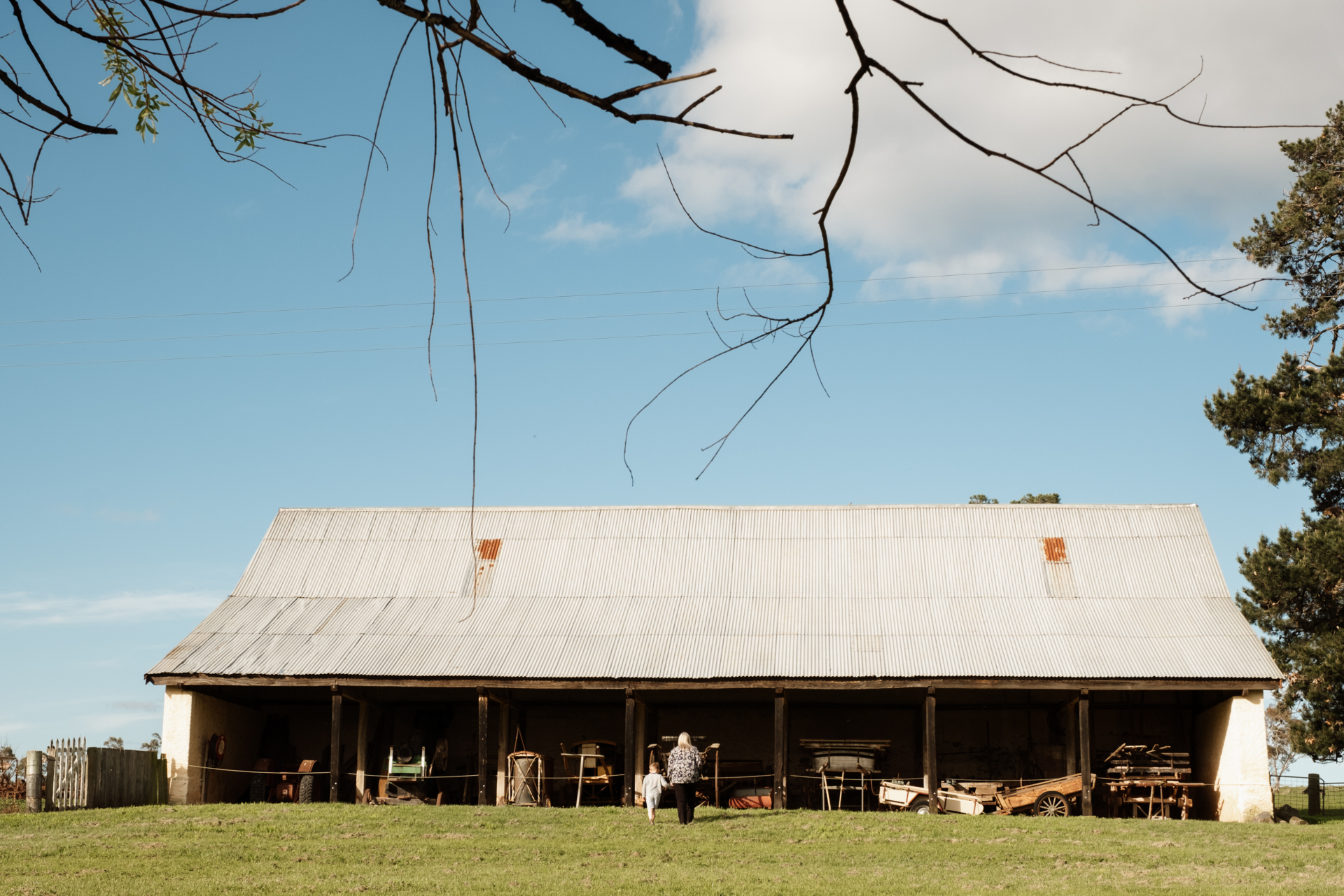
13

Cart Shed & Farm Stables

1840s

The open-fronted Cart Shed housed mobile farm equipment. The Stables at the rear housed twelve powerful draught horses, which were not replaced by tractors until after World War II.
Wool Shed
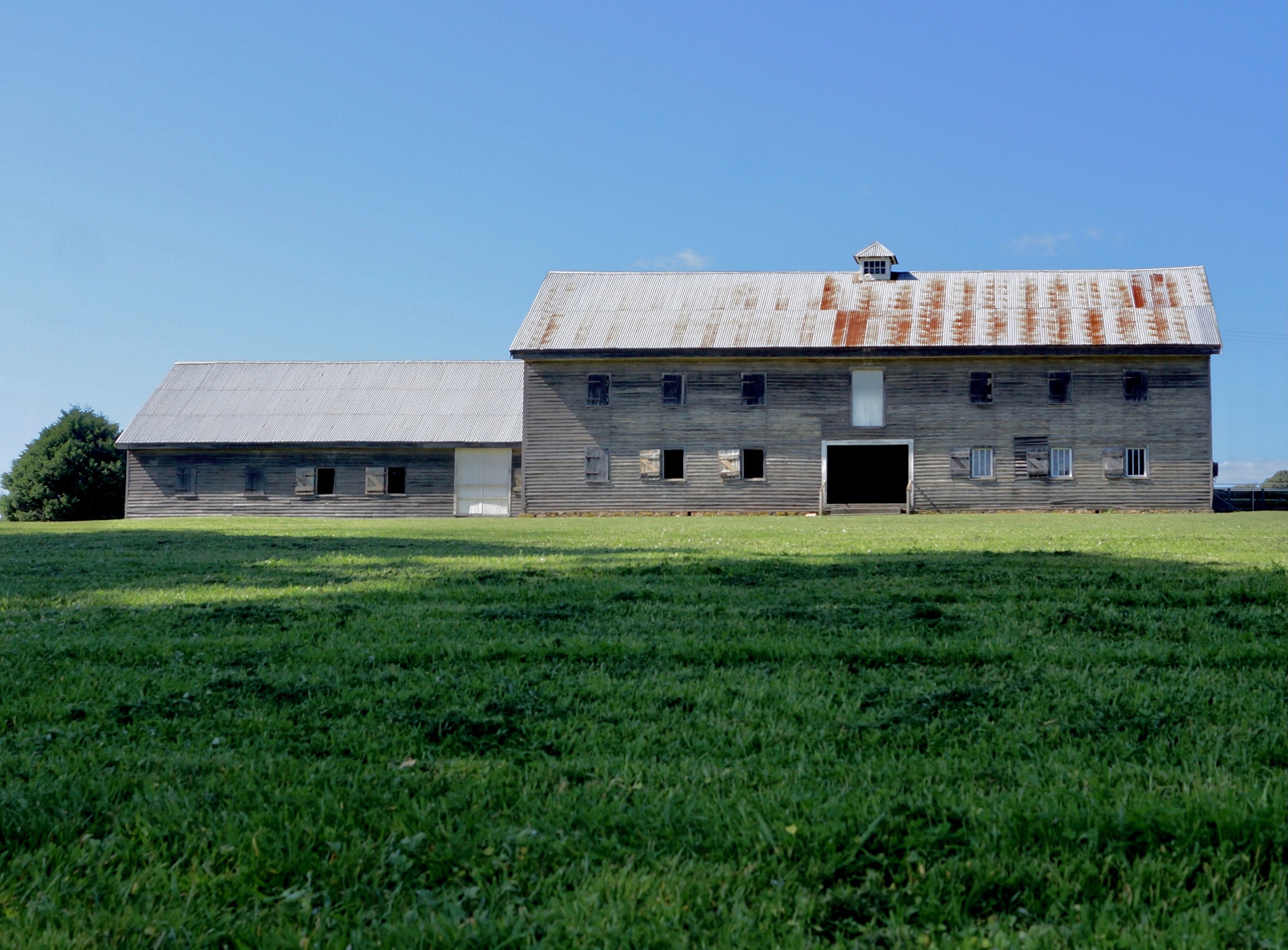
14

Wool Shed

c.1820

One of the oldest surviving two-storey shearing sheds in Australia. In its time, Woolmers regularly stocked 10,000 sheep, mainly pure and cross-bred Merinos.
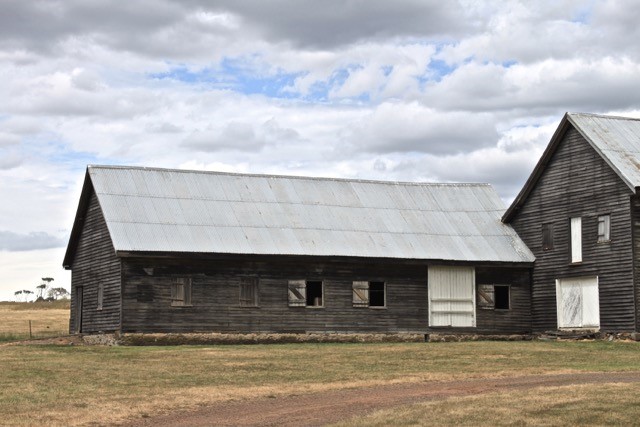
Cider House
15

Cider House

Early 1840s

Apples were grown in large quantities from the 1840s and processed into cider — the main thirst-quencher for farm workers, with huge amounts consumed at shearing and harvest times.
Above the Rose Garden

Cottage & Conservatory

Above the Rose Garden stand three structures that speak to the estate’s domestic life and horticultural ambitions. The Gardener’s Cottage, the family cottage that housed successive generations of Archers, and the atmospheric ruins of a Victorian conservatory.

Gardener's Cottage
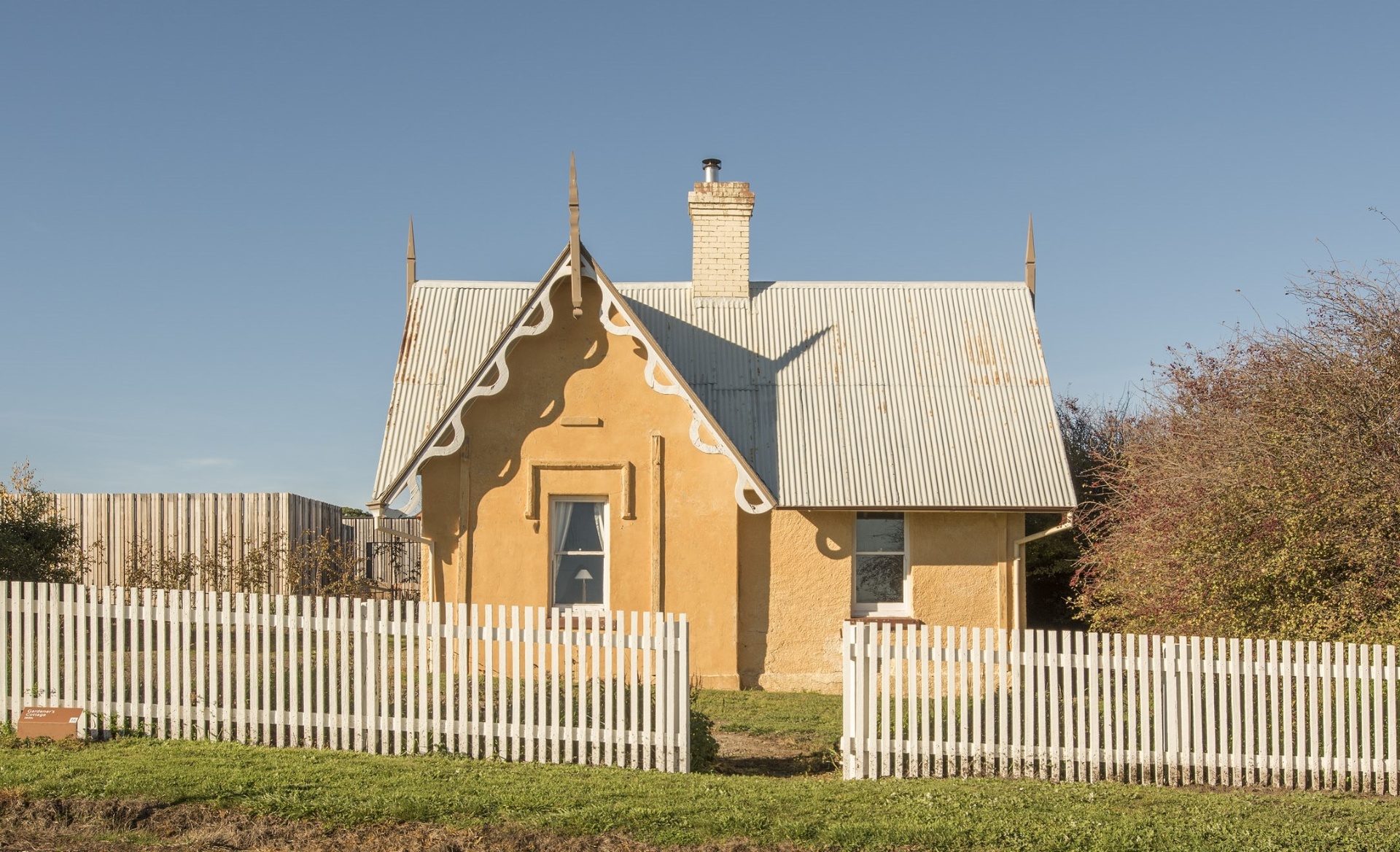
16

Gardener's Cottage

1830s Visitor Accommodation

An ornamental cottage in the picturesque 'Rural Gothic' style, designed to look attractive from any angle, with each steeply pitched roof gable displaying differently patterned barge-boards.
Woolmers Cottage
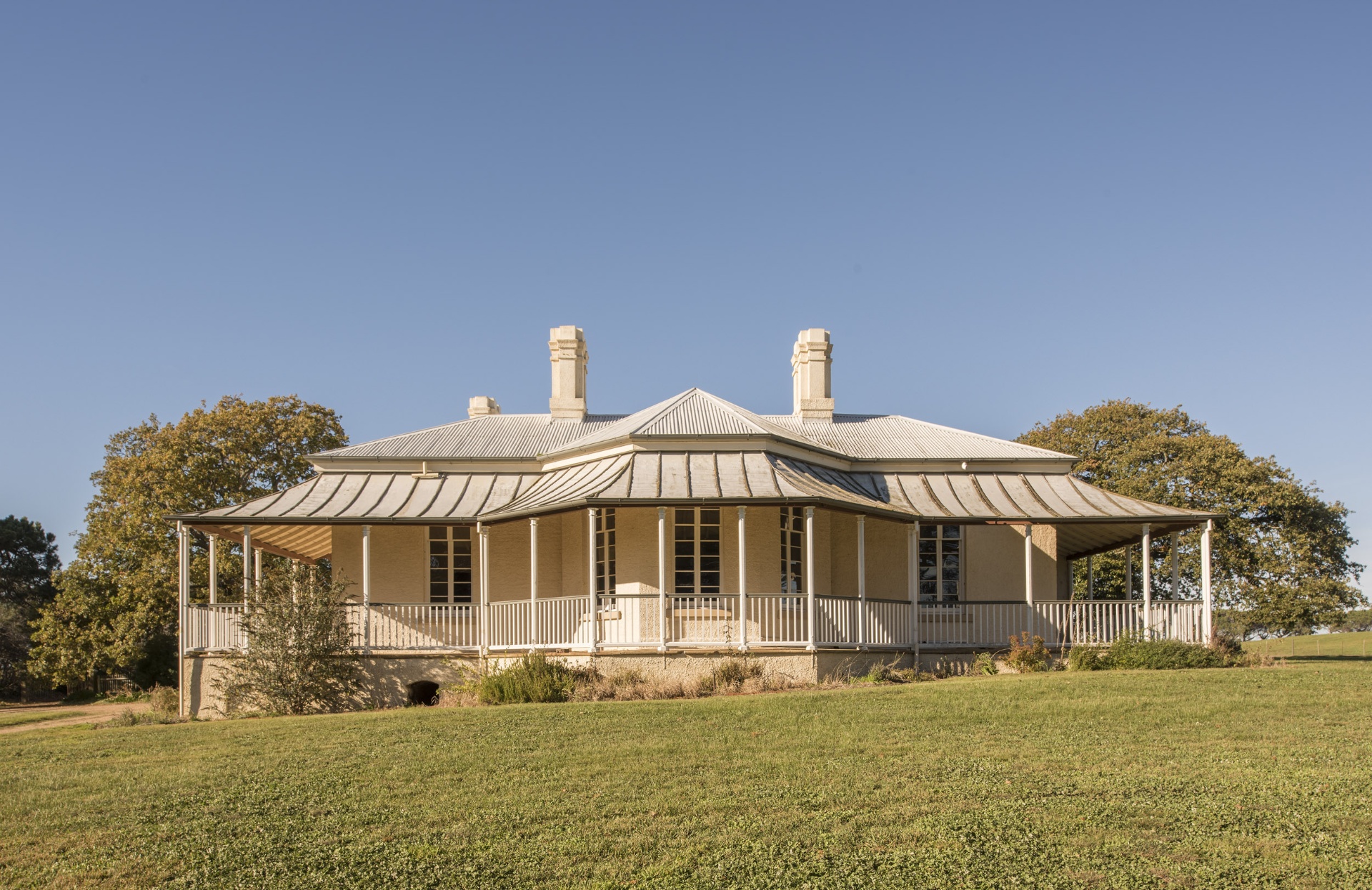
17

Woolmers Cottage

Late 1830s

Built in the late 1830s, Woolmers Cottage relates in style and detail to the Coach House & Stables. It served as the residence for successive generations of the Archer family, beginning with Thomas II and his wife Mary Abbott from 1839.

-

Ruins of the Conservatory

1860s

Ruins in the top corner of the Rose Garden, near the Gardener's Cottage, are believed to be the remains of a conservatory erected in the 1860s.

Plan Your Visit

Experience living history

Open Daily from 8am

Last grounds entry: 4pm
Grounds close: 6:30pm

Location

20 minutes from Launceston
17 minutes from Launceston Airport

Tasmanian Residents

FREE entry when bringing interstate or overseas guests

Admission

Adult $39
Concession $35
Child (16 years & under) $5
Family (2 Adults + 2 Children) $83
Groups (10+) $35 pp
Guided Tour $10 Upgrade
Book Tickets